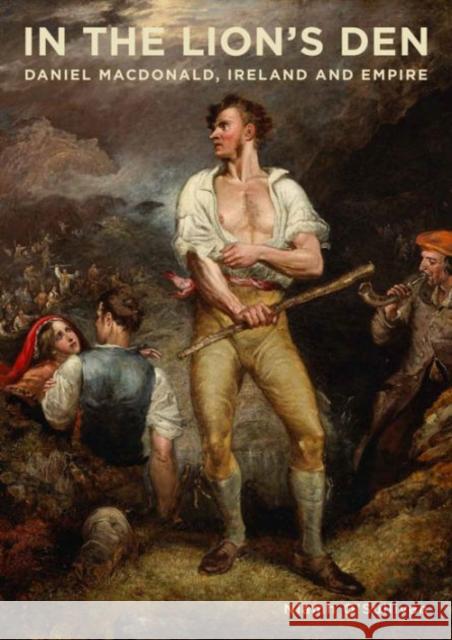
In 1847, in the British Institution, there hung a harrowing painting 'An Irish Peasant Family Discovering the Blight of their Store', the first and the last known contemporaneous painting of the Great Irish Famine. The painter was Daniel Macdonald (1820-1853), a young Irish artist recently arrived in London.
Niamh O'Sullivan's fascinating book reveals compelling new subtexts to the work of Macdonald and re-establishes him as a painter of national importance; it also sheds original light on the social and visual culture of Ireland in the years leading up to and including...
In 1847, in the British Institution, there hung a harrowing painting 'An Irish Peasant Family Discovering the Blight of their Store', the first and th...