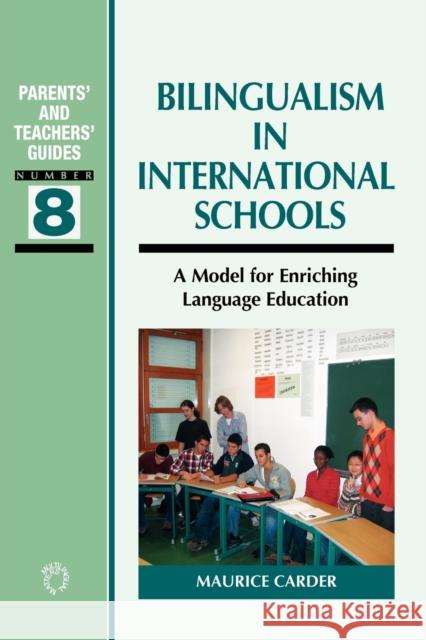
International Schools have developed since their inception from a largely native English-speaking student body to schools such as the author's, the Vienna International School (VIS), where there are students of 90 nationalities with 65 mother tongues. Maurice Carder proposes a "three-programme model" for addressing the language and curricula needs of these students: a content-based second language programme; a programme of cultural and linguistic training for all staff; and a mother tongue programme for minority students. The model is based on research findings and practice: at the VIS...
International Schools have developed since their inception from a largely native English-speaking student body to schools such as the author's, the...
International Schools have developed since their inception from a largely native English-speaking student body to schools such as the author's, the Vienna International School (VIS), where there are students of 90 nationalities with 65 mother tongues. Maurice Carder proposes a "three-programme model" for addressing the language and curricula needs of these students: a content-based second language programme; a programme of cultural and linguistic training for all staff; and a mother tongue programme for minority students. The model is based on research findings and practice: at the VIS...
International Schools have developed since their inception from a largely native English-speaking student body to schools such as the author's, the...