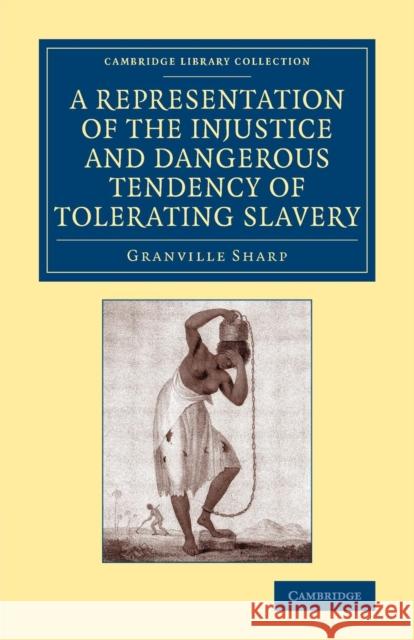
This work by the anti-slavery campaigner Granville Sharp (1735 1813) brings together legal and historical documents, as well as the author's own legal arguments, demonstrating that slavery was illegal and therefore could not be upheld in England. Furthering his own intellectual development while working for a linen draper, Sharp later became a government clerk and pursued a writing career. His awakening to the horrors of the slave trade resulted from a chance encounter with an injured slave seeking help from his physician brother. Carrying out the necessary legal research, Sharp published...
This work by the anti-slavery campaigner Granville Sharp (1735 1813) brings together legal and historical documents, as well as the author's own legal...
Self-educated in languages and the law, the author Granville Sharp (1735 1813) was a leading anti-slavery campaigner. Though many of his associates in the abolitionist movement were dissenters or freethinkers, he was an Anglican very much concerned with the fate of the church in America after the war of independence. His family consigned his archives to the painter, playwright and author Prince Hoare (1755 1834), who published this biography in 1820. Sharp is less well remembered than other British abolitionists such as Clarkson and Wilberforce, but it was his work which, in 1772, brought the...
Self-educated in languages and the law, the author Granville Sharp (1735 1813) was a leading anti-slavery campaigner. Though many of his associates in...