The question of the sublime, which links the idea of aesthetic force with rhetorical impact and moral law, has been an important topic in discussion of eighteenth- and nineteenth-century art and the shift between them. This book argues that the sublime is equally important in understanding the shift from romanticism to modernism later in the century. The author studies the work of three French authors conventionally considered pivotal figures in the trajectory from romanticism to modernism: Hugo, father of romanticism; Baudelaire, precursor of symbolist modernism; and Lautreamont, hero of...
The question of the sublime, which links the idea of aesthetic force with rhetorical impact and moral law, has been an important topic in discussion o...
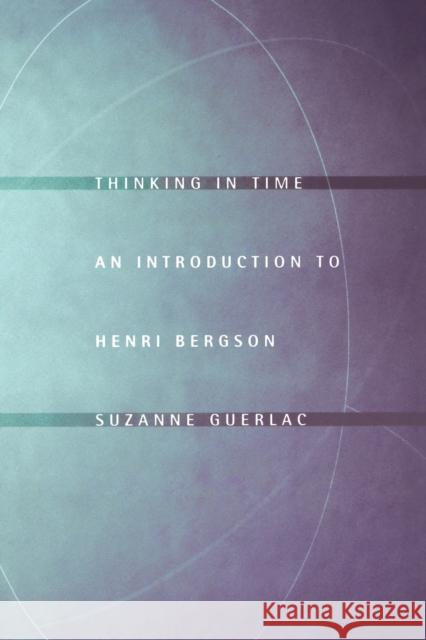
"In recent years, we have grown accustomed to philosophical language that is intensely self-conscious and rhetorically thick, often tragic in tone. It is enlivening to read Bergson, who exerts so little rhetorical pressure while exacting such a substantial effort of thought. . . . Bergson's texts teach the reader to let go of entrenched intellectual habits and to begin to think differently to think in time. . . . Too much and too little have been said about Bergson. Too much, because of the various appropriations of his thought. Too little, because the work itself has not been carefully...
"In recent years, we have grown accustomed to philosophical language that is intensely self-conscious and rhetorically thick, often tragic in tone. It...