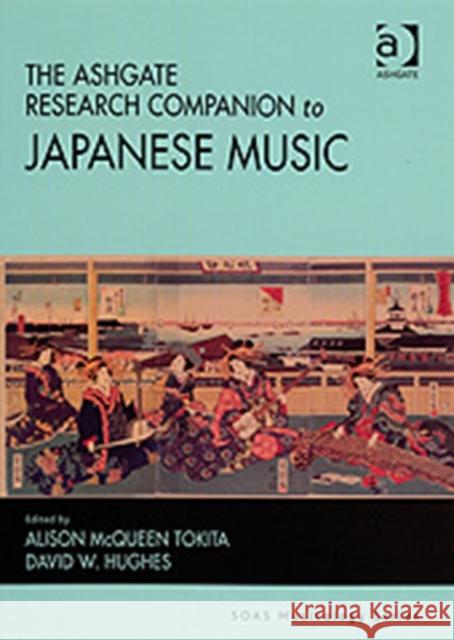
Music is a frequently neglected aspect of Japanese culture. It is in fact a highly problematic area, as the Japanese actively introduced Western music into their modern education system in the Meiji period (1868-1911), creating westernized melodies and instrumental instruction for Japanese children from kindergarten upwards. As a result, most Japanese now have a far greater familiarity with Western (or westernized) music than with traditional Japanese music. Traditional or classical Japanese music has become somewhat ghettoized, often known and practised only by small groups of people in...
Music is a frequently neglected aspect of Japanese culture. It is in fact a highly problematic area, as the Japanese actively introduced Western music...
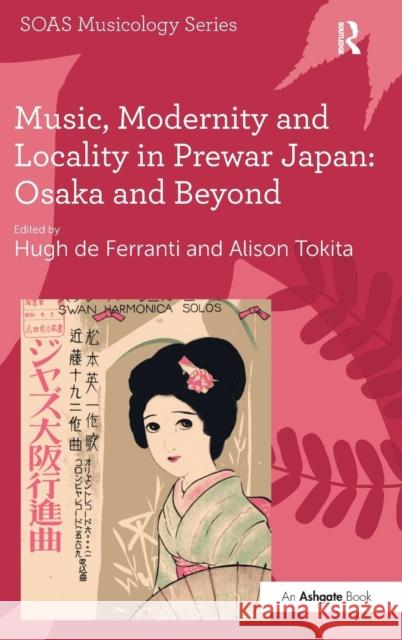
This anthology addresses the modern musical culture of interwar Osaka and its surrounding Hanshin region. Modernity as experienced in this locale, with its particular historical, geographic and demographic character, and its established traditions of music and performance, gave rise to configurations of the new, the traditional and the hybrid that were distinct from their Tokyo counterparts. The Taisho and early Showa periods, from 1912 to the early 1940s, saw profound changes in Japanese musical life. Consumption of both traditional Japanese and Western music was transformed as public...
This anthology addresses the modern musical culture of interwar Osaka and its surrounding Hanshin region. Modernity as experienced in this locale, wit...
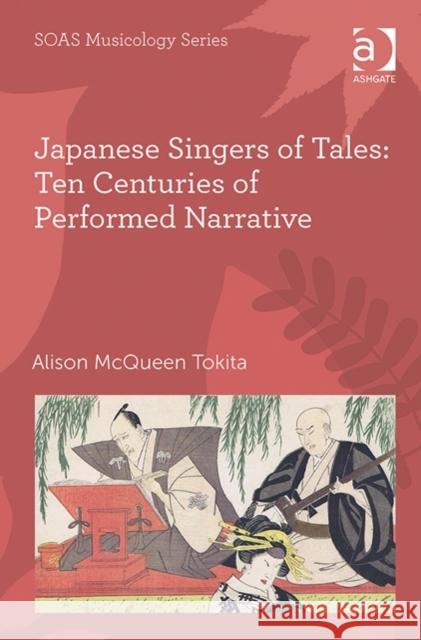
Alison McQueen Tokita presents a series of case studies that demonstrate the persistence of Japanese sung narratives in a multiplicity of genres over ten centuries, including the way they flourished and declined, together with factors contributing to development and change in narrative performance. Performed narratives are examples of a shared cultural heritage, which in the past have given people a sense of belonging to a community. Narratives that were continually re-told and recycled in different versions and formats over a long period of time served to build people's sense of a common...
Alison McQueen Tokita presents a series of case studies that demonstrate the persistence of Japanese sung narratives in a multiplicity of genres over ...
This anthology addresses the modern musical culture of interwar Osaka and its surrounding Hanshin region. Modernity as experienced in this locale, with its particular historical, geographic and demographic character, and its established traditions of music and performance, gave rise to configurations of the new, the traditional and the hybrid that were distinct from their Tokyo counterparts. The Taisho and early Showa periods, from 1912 to the early 1940s, saw profound changes in Japanese musical life. Consumption of both traditional Japanese and Western music was transformed as public...
This anthology addresses the modern musical culture of interwar Osaka and its surrounding Hanshin region. Modernity as experienced in this locale, wit...