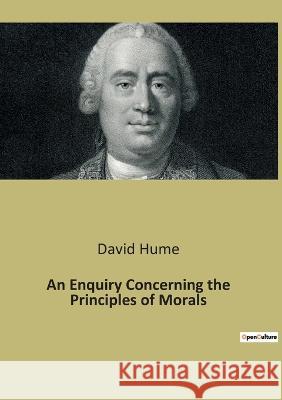
Sympathy, we shall allow, is much fainter than our concern for ourselves, and sympathy with persons remote from us much fainter than that with persons near and contiguous; but for this very reason it is necessary for us, in our calm judgments and discourse concerning the characters of men, to neglect all these differences and render our sentiments more public and social. -from "Why Utility Pleases" David Hume may well be the most significant philosopher ever to write in the English language: his arguments dramatically influenced both scientific and religious thinking, and much of what he...
Sympathy, we shall allow, is much fainter than our concern for ourselves, and sympathy with persons remote from us much fainter than that with persons...
Reprinted from the posthumous edition of 1777 and edited with introduction, comparative tables of contents, and analytical index by L. A. Selby-Bigge. Third edition with text revised and notes by P. H. Nidditch.
Reprinted from the posthumous edition of 1777 and edited with introduction, comparative tables of contents, and analytical index by L. A. Selby-Bigge....
In this highly influential work, Hume sets out his theory of justice and benevolence and the other virtues and argues that morality is founded on the natural feelings or sentiments of humankind. The text printed in this edition is the Clarendon critical edition of Hume's works. Designed especially for students, this volume includes detailed explanatory notes on the text, a glossary of terms, a full list of references, and a section of supplementary readings.
In this highly influential work, Hume sets out his theory of justice and benevolence and the other virtues and argues that morality is founded on the ...
The Oxford Philosophical Texts series consists of truly practical and accessible guides to major philosophical texts in the history of philosophy from the ancient world up to modern times. Each book opens with a comprehensive introduction by a leading specialist which covers the philosopher's life, work, and influence. Endnotes, a full bibliography, guides to further reading, and an index are also included. The series aims to build a definitive corpus of key texts in the Western philosophical tradition, forming a reliable and enduring resource for students and teachers alike. Now one of...
The Oxford Philosophical Texts series consists of truly practical and accessible guides to major philosophical texts in the history of philosophy from...
David Hume: Dialoge uber die naturliche Religion Demea, ein orthodox Glaubiger, der Skeptiker Philo und der Deist Cleanthes diskutieren den physiko-teleologischen Gottesbeweis, also die Frage, ob aus der Existenz von Ordnung und Zweck in der Welt auf einen intelligenten Schopfer oder Baumeister zu schliessen ist. Entstanden um 1751, revidierte Fassung 1761. Erstdruck (postum) unter dem Titel Dialogues Concerning Natural Religion: London 1779. Erste deutsche Ubersetzung durch Karl Gottfried Schreiter unter dem Titel Gesprache uber naturliche Religion: Leipzig (Weygand) 1781. Der Text folgt der...
David Hume: Dialoge uber die naturliche Religion Demea, ein orthodox Glaubiger, der Skeptiker Philo und der Deist Cleanthes diskutieren den physiko-te...
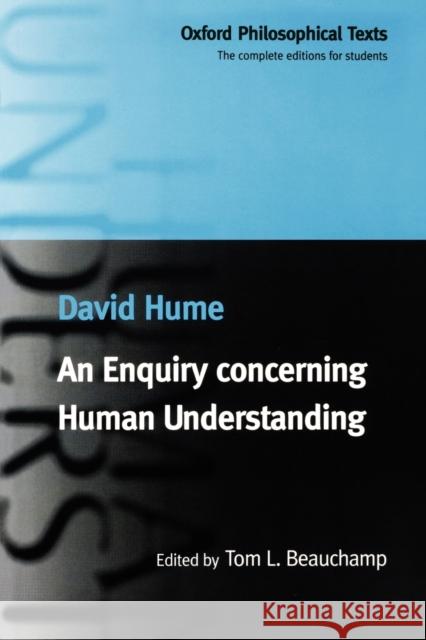
David Hume: Untersuchung in Betreff des menschlichen Verstandes Hume hielt diesen Text fur die einzig adaquate Darstellung seiner theoretischen Philosophie. Das Werk geht auf Uberlegungen zuruck, die Hume bereits in seinem Jugendwerk A Treatise of Human Nature (1739/40) entwickelt hatte. Erstdruck unter dem Titel Philosophical Essays Concerning Human Understanding, London 1748. Uberarbeitete Fassung unter dem Titel An Enquiry Concerning Human Understanding in: David Hume, Essays and Treatises on Several Subjects, 2. Band, London 1758. Erste deutsche Ubersetzung durch Johann Georg Sulzer unter...
David Hume: Untersuchung in Betreff des menschlichen Verstandes Hume hielt diesen Text fur die einzig adaquate Darstellung seiner theoretischen Philos...