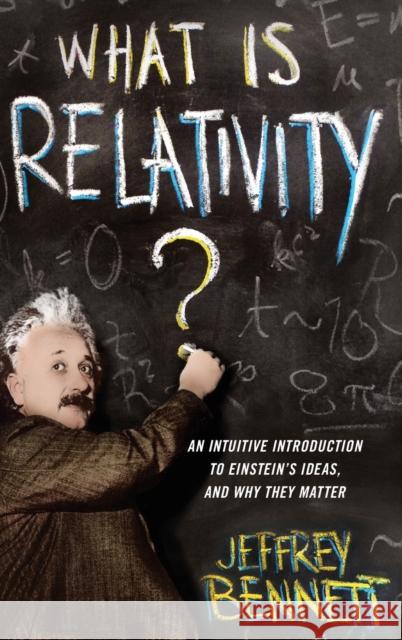
It is commonly assumed that if the Sun suddenly turned into a black hole, it would suck Earth and the rest of the planets into oblivion. Yet, as prominent author and astrophysicist Jeffrey Bennett points out, black holes don't suck. With that simple idea in mind, Bennett begins an entertaining introduction to Einstein's theories of relativity, describing the amazing phenomena readers would actually experience if they took a trip to a black hole. The theory of relativity reveals the speed of light as the cosmic speed limit, the mind-bending ideas of time dilation and curvature of...
It is commonly assumed that if the Sun suddenly turned into a black hole, it would suck Earth and the rest of the planets into oblivion. Yet, as promi...
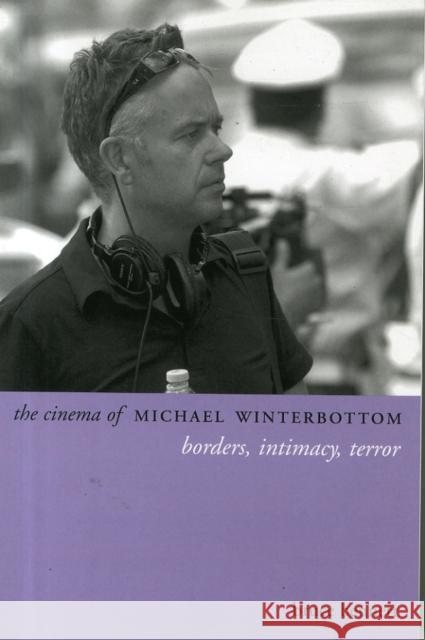
This comprehensive study of prolific British filmmaker Michael Winterbottom explores the thematic, stylistic, and intellectual consistencies running through his eclectic and controversial body of work. This volume undertakes a close analysis of a TV series directed by Winterbottom and sixteen of his films ranging from television dramas to transnational co-productions featuring Hollywood stars, and from documentaries to costume films. The critique is centered on Winterbottom's collaborative working practices, political and cultural contexts, and critical reception. Arguing that his work...
This comprehensive study of prolific British filmmaker Michael Winterbottom explores the thematic, stylistic, and intellectual consistencies running t...
This comprehensive study of prolific British filmmaker Michael Winterbottom explores the thematic, stylistic, and intellectual consistencies running through his eclectic and controversial body of work. This volume undertakes a close analysis of a TV series directed by Winterbottom and sixteen of his films ranging from television dramas to transnational co-productions featuring Hollywood stars, and from documentaries to costume films. The critique is centered on Winterbottom's collaborative working practices, political and cultural contexts, and critical reception. Arguing that his work...
This comprehensive study of prolific British filmmaker Michael Winterbottom explores the thematic, stylistic, and intellectual consistencies running t...
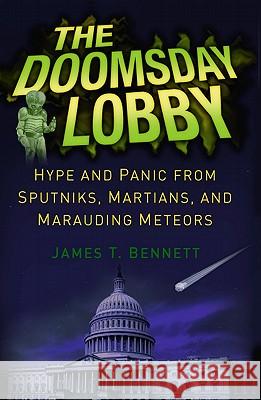
Federal patronage of science was never contemplated by the framers of the Constitution, but they did seek to "promote the Progress of Science and useful Art" by granting inventors patent rights. However, direct subvention to scientists and scientific organizations was not considered appropriate activity of the central government. In the 19th Century, American science was funded almost entirely through private investors. Since WWII, however, the federal government has become the primary patron of American science. From the race-to-space in the 1950s to current furor over global warming,...
Federal patronage of science was never contemplated by the framers of the Constitution, but they did seek to "promote the Progress of Science and u...