V románu-labyrintu proslulého autora se příběh s detektivní zápletkou prolíná s literaturou faktu. Ve svém bytě v nevábné pařížské čtvrti se v březnu 1897 probouzí starší muž a snaží se rozpomenout, kdo vlastně je. Metodou doktora Freuda, se kterým párkrát pojedl, si začíná vybavovat vlastní minulost italského a později francouzského policejního konfidenta, autora fiktivního konspiračního plánu, který pak v rukou jiných začal žít vlastním životem. Téměř všechny postavy (např. Alexandre Dumas) jsou historické, neméně skutečný je i...
V románu-labyrintu proslulého autora se příběh s detektivní zápletkou prolíná s literaturou faktu. Ve svém bytě v nevábné pařížské č...
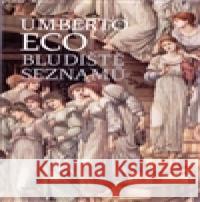
Vychází další objemná monografie Umberta Eca, která se tentokrát zabývá fenoménem seznamu. Stejně jako autorovy předchozí formálně koncipované knihy Dějiny krásy a Dějiny ošklivosti se stala po několika týdnech na knižních pultech celosvětovým bestsellerem. Autor uvažuje o seznamech, soupisech a katalozích nejrůznějšího druhu i potřebě člověka a společnosti je vytvářet. Zamýšlí se nad jeho smyslem a také nad podmaňující poetikou, která každého, kdo se seznamy začne zabývat, pohltí. Knihu doplňuje bohatá antologie literárních...
Vychází další objemná monografie Umberta Eca, která se tentokrát zabývá fenoménem seznamu. Stejně jako autorovy předchozí formálně...
Nejnovější kniha Umberta Eca je jakýmsi protějškem jeho Dějin krásy. Co je vlastně opakem krásy? Na tuto otázku hledá autor odpověď na stránkách výpravné ilustrované publikace, kde na příkladech děl literárních i výtvarných ukazuje, že opak krásy se neomezuje jen na ohyzdnost satyrů či Harpyjí. Protějškem krásy jsou také groteskní tvary, odpudivé, dekadentní ovzduší opiových doupat, kam vstupuje Dorian Gray, svět vampírů i podivných bytostí vylovených z moře, neovladatelných pudů i děsu, prorockých vizí i apokalypsy, banálního zla i...
Nejnovější kniha Umberta Eca je jakýmsi protějškem jeho Dějin krásy. Co je vlastně opakem krásy? Na tuto otázku hledá autor odpověď na s...
Ve svém novém románu se Umberto Eco vrací především do doby svého dětství a dospívání. Protagonistou příběhu je šedesátiletý antikvář Yambo, který se probudí z komatu s těžkou amnézií a pamatuje si jen citáty z literárních děl. Rozhodne se hledat vlastní vzpomínky na půdě rodinného sídla v bednách se starými rodokapsy, komiksy, gramofonovými deskami a školními sešity. Eco i v tomto díle plně rozvinul svou zálibu v intertextových citacích, zaměřil se však hlavně na oblast tzv. triviální literatury, jíž věnoval studii Nadčlověk pro...
Ve svém novém románu se Umberto Eco vrací především do doby svého dětství a dospívání. Protagonistou příběhu je šedesátiletý antikv...
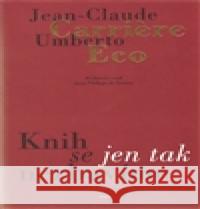
Přihlížíme právě soumraku knihy? Obstojí kniha jako nosič informací i do budoucna, nebo se stane jen luxusním dárkovým artefaktem? Na podobné otázky hledá odpověď Jean-Philippe de Tonnac, francouzský novinář a spisovatel, v rozhovoru, který vedl s proslulým italským medievalistou, sémiotikem a spisovatelem Umbertem Ecem a s francouzským scénáristou Jeanem-Claudem Carrierem. Oba myslitelé si nejprve kladou otázku, zda se změnou formy - to jest přechodem k e-bookům - změní i samotný pojem knihy, a rozvíjejí širší úvahy o archivaci dat, uchovávání...
Přihlížíme právě soumraku knihy? Obstojí kniha jako nosič informací i do budoucna, nebo se stane jen luxusním dárkovým artefaktem? Na podo...
Eco wittily and enchantingly develops themes often touched on in his previous works, but he delves deeper into their complex nature... this collection can be read with pleasure by those unversed in semiotic theory. --Times Literary Supplement
Eco wittily and enchantingly develops themes often touched on in his previous works, but he delves deeper into their complex nature... this collection...
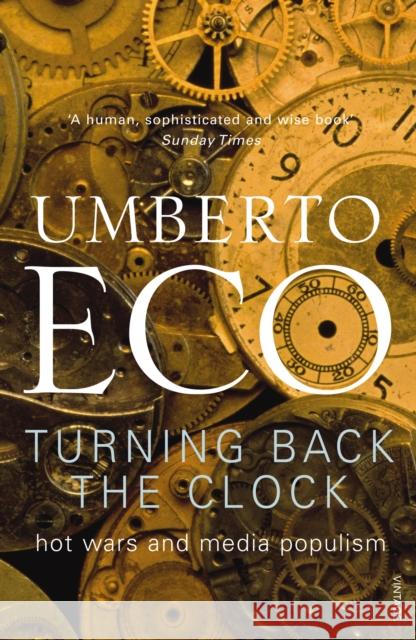
'Turning Back the Clock' is a collection of essays by one of the leading intellectuals of our time. With his customary sharpness and wit, Eco explains the tragic steps backwards that have been taken since the end of the last millennium.
'Turning Back the Clock' is a collection of essays by one of the leading intellectuals of our time. With his customary sharpness and wit, Eco explains...
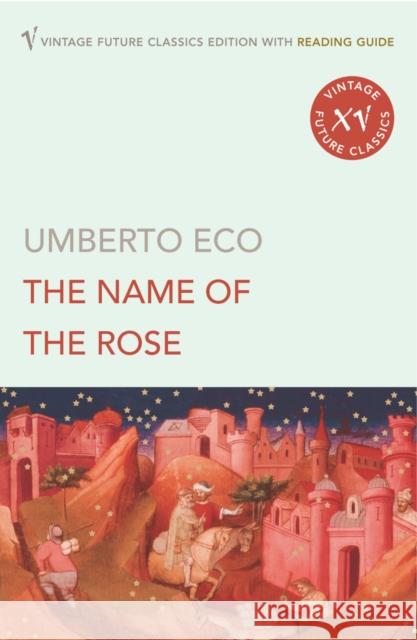
Set in Italy in the Middle Ages, this title presents a narrative of a murder investigation in a monastery in 1327, as well as a chronicle of the 14th century religious wars, a history of monastic orders, and a compendium of heretical movements.
Set in Italy in the Middle Ages, this title presents a narrative of a murder investigation in a monastery in 1327, as well as a chronicle of the 14th ...
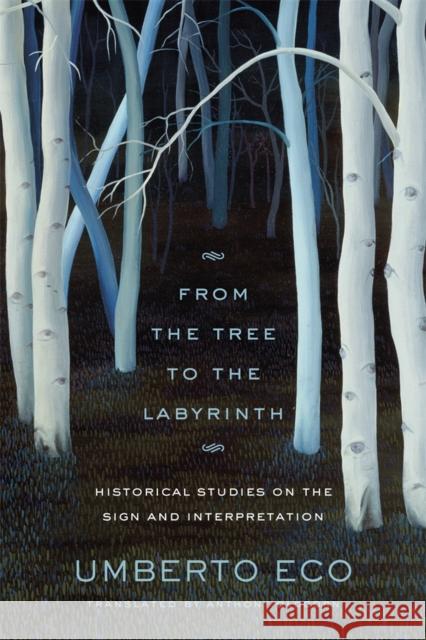
The way we create and organize knowledge is the theme of From the Tree to the Labyrinth, a major achievement by one of the world's foremost thinkers on language and interpretation. Umberto Eco begins by arguing that our familiar system of classification by genus and species derives from the Neo-Platonist idea of a "tree of knowledge." He then moves to the idea of the dictionary, which--like a tree whose trunk anchors a great hierarchy of branching categories--orders knowledge into a matrix of definitions. In Eco's view, though, the dictionary is too rigid: it turns knowledge into a...
The way we create and organize knowledge is the theme of From the Tree to the Labyrinth, a major achievement by one of the world's foremost ...