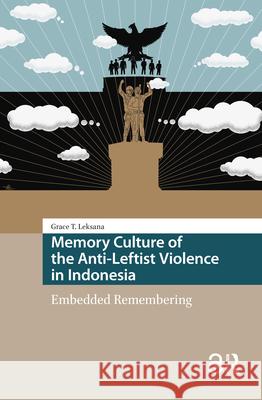
This book examines how community remembers one of the most gruesome acts of violence in the 20th century: the anti-communist violence in 1965 in Indonesia. Through a case study in a rural district in East Java, this research presents complexities of memory culture of violence. These memories are not exclusively determined by the state’s repressive memory project, but are actually embedded in intricate social relations and local context where the violence occurred. What people remember, forget, or silenced is part of the continuous negotiation to claim one’s right, to relate to the state,...
This book examines how community remembers one of the most gruesome acts of violence in the 20th century: the anti-communist violence in 1965 in Indon...