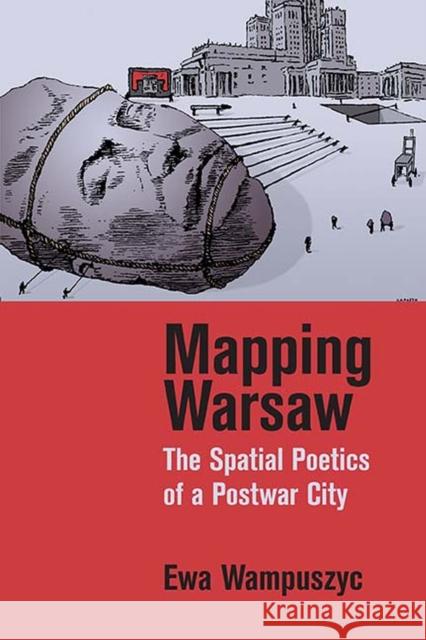
An interdisciplinary study that analyzes photobooks, newsreels, feature films, and fiction from 1945 to 1956, Mapping Warsaw: The Spatial Poetics of a Postwar City by Ewa Wampuszyc demonstrates how the postwar Polish capital was rebuilt discursively in the aftermath of its near-complete destruction during World War II.
An interdisciplinary study that analyzes photobooks, newsreels, feature films, and fiction from 1945 to 1956, Mapping Warsaw: The Spatial Poetics of a...
An interdisciplinary study that analyzes photobooks, newsreels, feature films, and fiction from 1945 to 1956, Mapping Warsaw: The Spatial Poetics of a Postwar City by Ewa Wampuszyc demonstrates how the postwar Polish capital was rebuilt discursively in the aftermath of its near-complete destruction during World War II.
An interdisciplinary study that analyzes photobooks, newsreels, feature films, and fiction from 1945 to 1956, Mapping Warsaw: The Spatial Poetics of a...
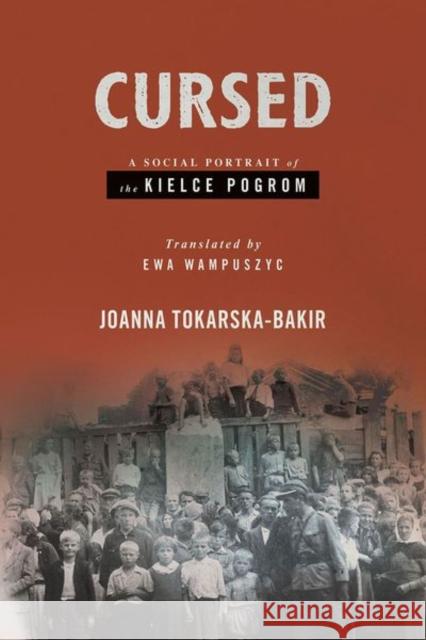
In Cursed, Joanna Tokarska-Bakir investigates the July 4, 1946, Kielce pogrom, a milestone in the periodization of the Jewish diaspora. This massacre compelled thousands of Polish Jews who survived the Holocaust to flee postwar Poland. It remains a negative reference point in the Polish historical narrative and represents a lack of reckoning with the role of antisemitism in postwar Polish society and identity politics. Tokarska-Bakir weaves together the voices of the Kielce pogrom survivors, witnesses, and perpetrators with a myriad of other archival sources. Her meticulous research...
In Cursed, Joanna Tokarska-Bakir investigates the July 4, 1946, Kielce pogrom, a milestone in the periodization of the Jewish diaspora. This massacre ...