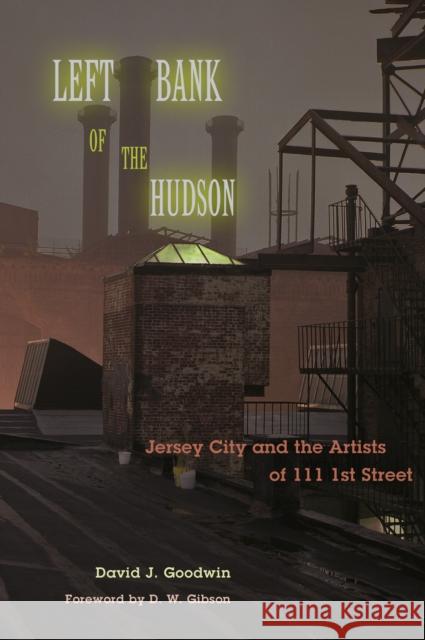
In the late 1980s, a handful of artists priced out of Manhattan and desperately needing affordable studio space discovered 111 1st Street, a former P. Lorillard Tobacco Company warehouse. Over the next two decades, an eclectic collection of painters, sculptors, musicians, photographers, filmmakers, and writers dreamt and toiled within the building's labyrinthine halls. The local arts scene flourished, igniting hope that Jersey City would emerge as the next grassroots center of the art world. However, a rising real estate market coupled with a provincial political establishment threatened the...
In the late 1980s, a handful of artists priced out of Manhattan and desperately needing affordable studio space discovered 111 1st Street, a former P....
In the late 1980s, a handful of artists priced out of Manhattan and desperately needing affordable studio space discovered 111 1st Street, a former P. Lorillard Tobacco Company warehouse. Over the next two decades, an eclectic collection of painters, sculptors, musicians, photographers, filmmakers, and writers dreamt and toiled within the building's labyrinthine halls. The local arts scene flourished, igniting hope that Jersey City would emerge as the next grassroots center of the art world. However, a rising real estate market coupled with a provincial political establishment threatened the...
In the late 1980s, a handful of artists priced out of Manhattan and desperately needing affordable studio space discovered 111 1st Street, a former P....