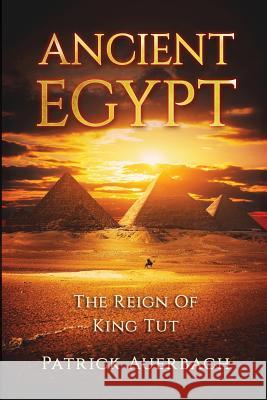
Born circa 1341 B.C.E., King Tut was the 12th king of the 18th Egyptian dynasty, in power from approximately 1332 to 1323 B.C.E. During his reign, powerful advisers restored the traditional Egyptian religion, which had been set aside by his father, Akhenaten, who had led the "Amarna Revolution." After his death at age 19, he disappeared from history, until the discovery of his tomb in 1922. Since then, studies of his tomb and remains have revealed much information about his life and times. Probably one of the best known pharaohs of ancient Egypt, Tutankhamun was a minor figure in ancient...
Born circa 1341 B.C.E., King Tut was the 12th king of the 18th Egyptian dynasty, in power from approximately 1332 to 1323 B.C.E. During his reign, pow...
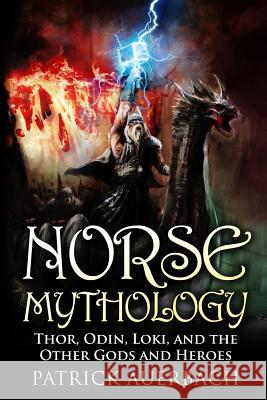
In this book you will find information, about Norse Mythology. Norse mythology, or Scandinavian mythology, is the body of mythology of the North Germanic people stemming from Norse paganism and continuing after the Christianization of Scandinavia and into the Scandinavian folklore of the modern period. Most of the knowledge used to create this book, is from the Icelandic historian and poet, Snorri Sturluson, who has written The Prose Edda around the year 1200. The Norse gods and goddesses were loved by the Vikings. The Vikings came mainly from Denmark, Norway, Sweden, Iceland, Faroe...
In this book you will find information, about Norse Mythology. Norse mythology, or Scandinavian mythology, is the body of mythology of the North Germa...
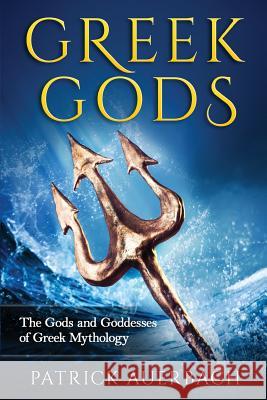
The ancient Greeks believed there were a great number of gods and goddesses. These gods had control over many different aspects of life on earth. In many ways they were very human. They could be kind or mean, angry or pleasant, cruel or loving. They fell in love with each other, argued with each other and even stole from each other. The ancient Greeks built great temples and sanctuaries to their gods. They held festivals in their honour, with processions, sports, sacrifices and competitions. Stories of the gods' exploits were told to children by their mothers and to large audiences by...
The ancient Greeks believed there were a great number of gods and goddesses. These gods had control over many different aspects of life on earth. In m...
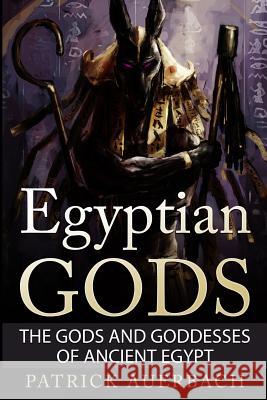
Worshiped for over three-fifths of recorded history, ancient Egypt's Gods and Goddesses are among the most fascinating of human civilization. The lives of pharaohs and commoners alike were dominated by the need to honor, worship, and pacify the huge pantheon of deities. From lavish tomb paintings and imposing temple reliefs to humble household shrines, countless tributes throughout Egypt reflect the richness and complexity of their mythology. This book examines the Egyptian gods and goddesses - from minor household figures such as Bes and Taweret to the all-powerful deities Amun and...
Worshiped for over three-fifths of recorded history, ancient Egypt's Gods and Goddesses are among the most fascinating of human civilization. The...
Just before midnight on April 14, 1912, the RMS Titanic, the largest ship in the world, hit an iceberg, starting a chain of events that would ultimately make it history's most famous ship. In the 100 plus years since it sank on its maiden voyage, the Titanic has been the subject of endless fascination, as evidenced by the efforts to find its final resting spot, the museums full of its objects, and the countless books, documentaries, and movies made about the doomed ocean liner. Thanks to the dramatization of the Titanic's sinking and the undying interest in the story, millions of people...
Just before midnight on April 14, 1912, the RMS Titanic, the largest ship in the world, hit an iceberg, starting a chain of events that would ultimate...