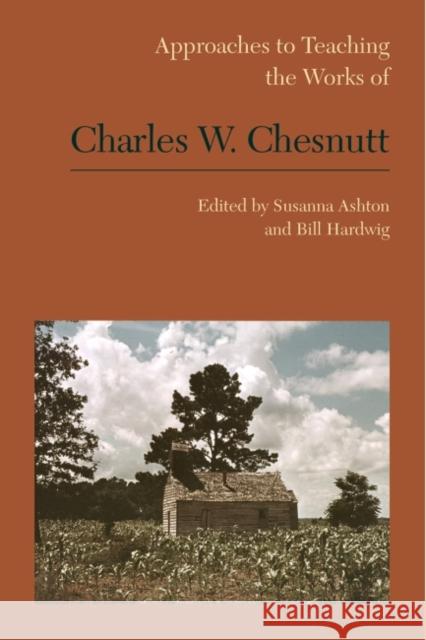
Growing up in Cleveland after the Civil War and during the brutal rollback of Reconstruction and the onset of Jim Crow, Charles W. Chesnutt could have passed as white but chose to identify himself as black. An intellectual and activist involved with the NAACP who engaged in debate with Booker T. Washington and W. E. B. Du Bois, he wrote fiction and essays that addressed issues as various as segregation, class among both blacks and whites, Southern nostalgia, and the Wilmington coup d'etat of 1898. The portrayals of race, racial violence, and stereotyping in Chesnutt's works challenge...
Growing up in Cleveland after the Civil War and during the brutal rollback of Reconstruction and the onset of Jim Crow, Charles W. Chesnutt could h...
Growing up in Cleveland after the Civil War and during the brutal rollback of Reconstruction and the onset of Jim Crow, Charles W. Chesnutt could have passed as white but chose to identify himself as black. An intellectual and activist involved with the NAACP who engaged in debate with Booker T. Washington and W. E. B. Du Bois, he wrote fiction and essays that addressed issues as various as segregation, class among both blacks and whites, Southern nostalgia, and the Wilmington coup d'etat of 1898. The portrayals of race, racial violence, and stereotyping in Chesnutt's works challenge...
Growing up in Cleveland after the Civil War and during the brutal rollback of Reconstruction and the onset of Jim Crow, Charles W. Chesnutt could h...