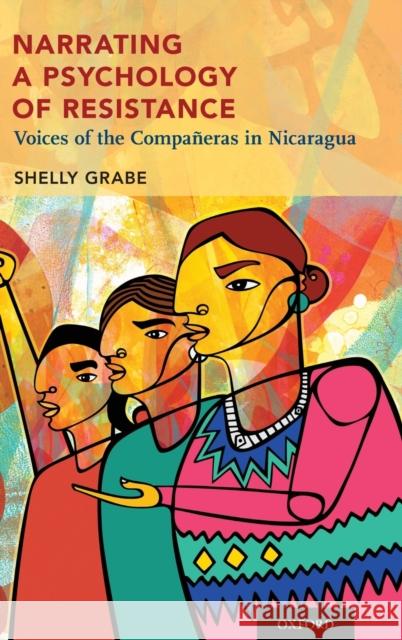
The Movimiento Autonomo de Mujeres (Women's Autonomous Movement) in Nicaragua - birthed in part from the Sandinista Revolution of the 1980s - represents one of the largest, most diverse, and most autonomous women's movements in all of Latin America. While it's true that scholars across a wide range of disciplines have written invariably about this social movement (and have been instrumental in arguing that these women are not mere victims, but individuals who have worked hard to resist oppression and fight injustice for decades) what remains missing from this body of work is scholarship...
The Movimiento Autonomo de Mujeres (Women's Autonomous Movement) in Nicaragua - birthed in part from the Sandinista Revolution of the 1980s - represen...
At a United Nations conference in 1995, 189 governments adopted the Beijing Platform for Action, an international agenda for women's equality and a statement of women's rights as human rights. Since that time, violations of women's human rights have become a widely-documented problem across many academic disciplines, international organizations, and activist social movements. Nevertheless, violations against women occur unabated despite widespread commitments internationally to draw increased attention to women's experiences. Given that a focus on women's rights was first put forth two...
At a United Nations conference in 1995, 189 governments adopted the Beijing Platform for Action, an international agenda for women's equality and a st...