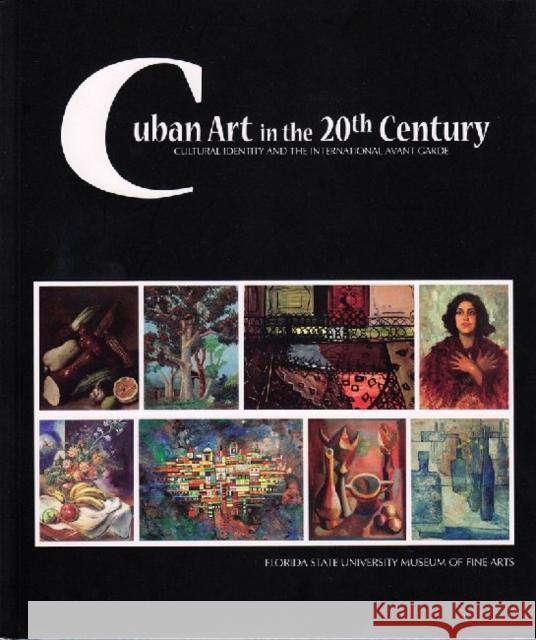
Modern Cuban art emerged in Havana in 1927 and matured during the next two decades. Its inception is mainly defined by a rupture with academic art, the appropriation of European avant-garde formal inventions, and the subjective symbolization of national ethos. In the 1940s a new generation of artists expanded their artistic sources to include popular art and explored new symbols of collective identity. By the 1950s a third generation of modernist artists abandoned figuration, the representation of Cuban themes, and turned to abstraction and introspection. Cuban Art in the Twentieth...
Modern Cuban art emerged in Havana in 1927 and matured during the next two decades. Its inception is mainly defined by a rupture with academic art, th...