Drawing on more than ten years of fieldwork conducted in Chad, Marielle Debos explores the recourse to arms in a society in which living by the gun has become both an acceptable form of political expression and an everyday occupation. Debos shows that contrary to the popular association of the fighters with violence and chaos, these fighters actually continue to observe rules, informal borders, and hierarchies, even as their allegiances shift between rebel and government forces and the fighting drifts from Chad, Libya, and Sudan to the Central African Republic. Ultimately, Debos demonstrates...
Drawing on more than ten years of fieldwork conducted in Chad, Marielle Debos explores the recourse to arms in a society in which living by the gun ha...
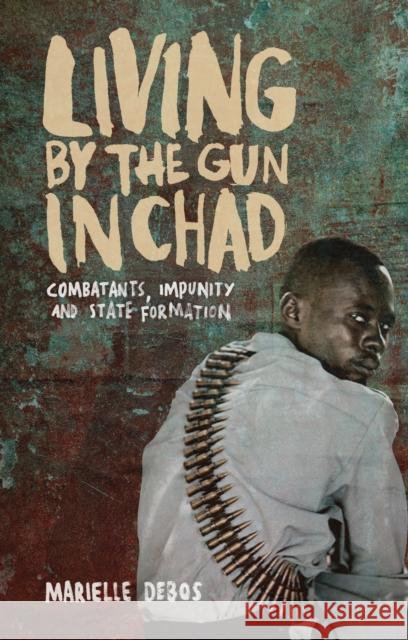
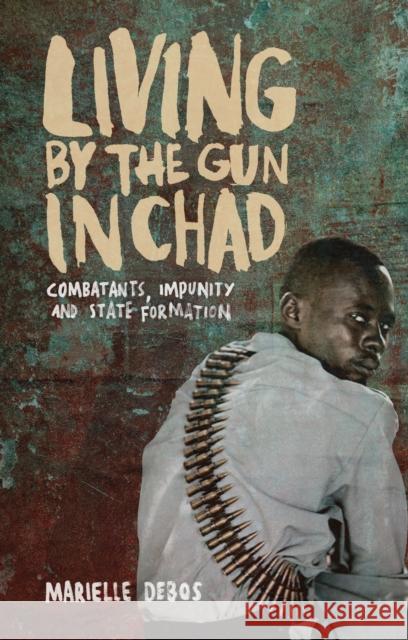
Drawing on more than ten years of fieldwork conducted in Chad, Marielle Debos explores the recourse to arms in a society in which living by the gun has become both an acceptable form of political expression and an everyday occupation. Debos shows that contrary to the popular association of the fighters with violence and chaos, these fighters actually continue to observe rules, informal borders, and hierarchies, even as their allegiances shift between rebel and government forces and the fighting drifts from Chad, Libya, and Sudan to the Central African Republic. Ultimately, Debos demonstrates...
Drawing on more than ten years of fieldwork conducted in Chad, Marielle Debos explores the recourse to arms in a society in which living by the gun ha...