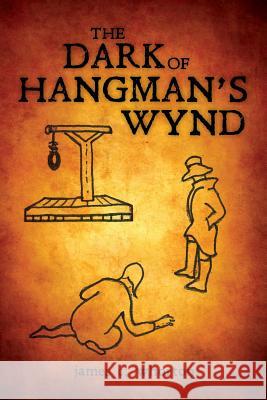
Edinburgh, 1826: Corpses begin to turn up in Hangman's Wynd, one of the many dank alleyways that coil through the city's Old Town. Initially, the deaths are attributed to cholera morbus, an intestinal ailment rife among the residents of the Old Town's squalid tenements. But to David Arnesen, a professor at the city's medical school, it seems beyond chance that the victims are all prostitutes and that they die of the same symptoms in the same out-of-the-way location. He is certain the women are being murdered. But how? And why? And by whom? Using the tools of the new science of forensic...
Edinburgh, 1826: Corpses begin to turn up in Hangman's Wynd, one of the many dank alleyways that coil through the city's Old Town. Initially, the deat...
Modern consumers are well aware that the food they eat is tainted by pesticidal residues; they are less aware that their great-grandparents faced the same hazard. James C. Whorton's history of this public health menace emphasizes that insecticides have been contaminating produce since the introduction of chemical pesticides in the 1860s.
The book examines the period before the publication of Rachel Carson's famous Silent Spring, tracing the origins of the residue problem and exploring the complicated network of interest groups that formed around the issue. The author shows how...
Modern consumers are well aware that the food they eat is tainted by pesticidal residues; they are less aware that their great-grandparents faced t...