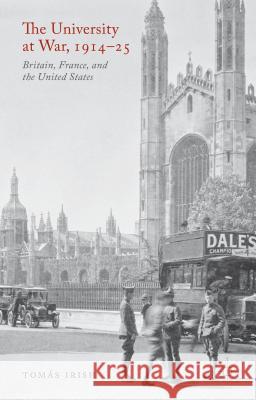
How did universities come to be central players in the prosecution of the First World War? The war, defined for many by battlefield stalemate and trench warfare, brought ideas into the front line for the first time, as scholars and scholarship worked with national governments to provide answers to the many challenging questions it posed. Drawing on examples from Britain, France, and the United States, The University at War, 1914-25 examines how universities were mobilized in wartime and the ethical challenges which this in turn posed for educational institutions. The wartime experiences of...
How did universities come to be central players in the prosecution of the First World War? The war, defined for many by battlefield stalemate and tren...
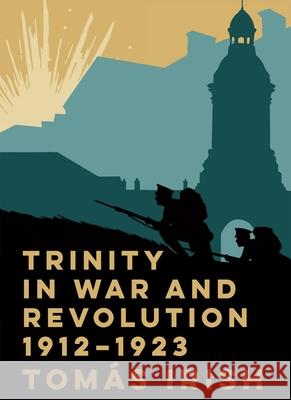
This book situates the history of Trinity College Dublin within the great upheavals and changes that were taking place in Ireland and the wider world during the transformative period from 1912 to 1923. The period saw Trinity and its environs profoundly changed. The book uses Trinity as a way of exploring some of the central themes and tensions of those years, themes that are usually examined separately: Irish involvement in World War I * the Easter Rising of 1916 * the violent struggle for Irish independence * the end of the Civil War * the establishment of the Irish Free State in 1922. It...
This book situates the history of Trinity College Dublin within the great upheavals and changes that were taking place in Ireland and the wider world ...
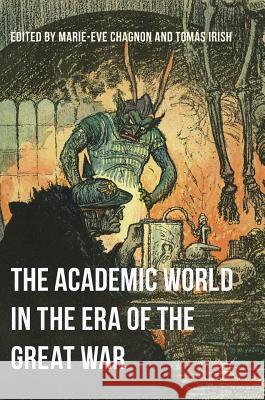
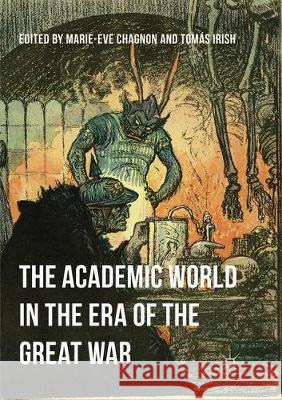
This book examines the ways in which scholarly expertise was mobilized during the First World War, and the consequences of this for the inter-connected academic world that had developed in the late nineteenth century.
This book examines the ways in which scholarly expertise was mobilized during the First World War, and the consequences of this for the inter-connecte...