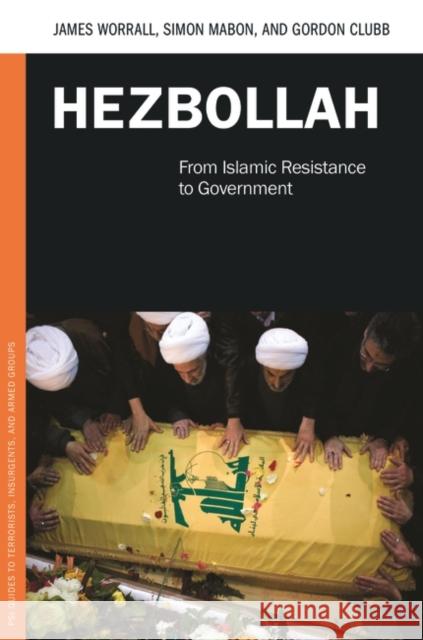
This is the first book of its kind to offer a comprehensive study of Hezbollah, providing an overview of the organization's key personalities, events, and structures over the past three decades. Inspired by the latest terrorism research and contemporary developments in the Middle East, the book reflects upon Hezbollah's religious foundations and its present role as a player in Middle East relations.
Chapters place Hezbollah within the Middle East security environment, analyzing the rise of the Party of God within the context of Iranian-inspired Shi'a activism, examining the ideological...
This is the first book of its kind to offer a comprehensive study of Hezbollah, providing an overview of the organization's key personalities, even...
By drawing on social movement theories, this book explains how terrorist movements decline, using the case of Irish Republicanism.
The continuity of terrorism and political violence from generation to generation demonstrates the need to go beyond a focus on groups or individuals in order to explain how terrorism ends. The concept of de-radicalisation has been critiqued for its lack of explanatory value in accounting for disengagement from terrorism or how the risk of terrorism re-emerging is reduced. However, building on the morphogenetic approach, this book distinguishes between...
By drawing on social movement theories, this book explains how terrorist movements decline, using the case of Irish Republicanism.