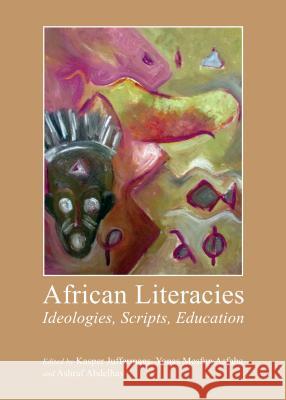
Africa is often depicted as the continent with the lowest literacy rates in the world. Moving beyond this essentialising representation, this volume explores African literacies within their complex and diverse multilingual and multiscriptal histories and contexts of use. The chapters examine contexts from the Maghreb to Mozambique and from Senegambia to the Horn of Africa and critically analyse multiple literacy genres and practices - from ancient manuscripts to instant messaging - in relation to questions of language-in-education and policy, livelihoods, Islamic scholarship, colonialism,...
Africa is often depicted as the continent with the lowest literacy rates in the world. Moving beyond this essentialising representation, this volume e...
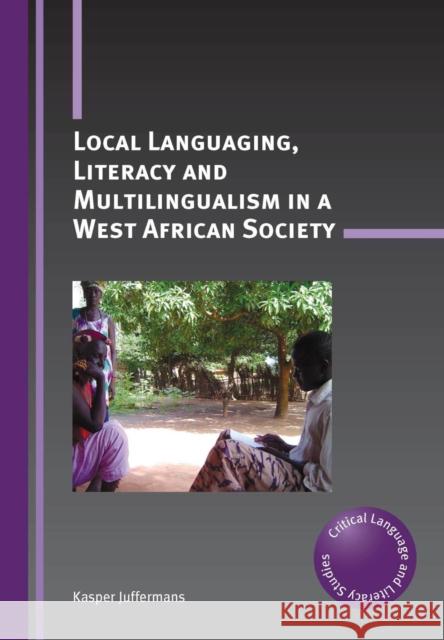
This book aims to enhance and challenge our understanding of language and literacy as social practice against the background of heightened globalisation. Juffermans presents an ethnographic study of the linguistic landscape of The Gambia, arguing that language should be conceptualised as a verb (languaging) rather than a countable noun (a language, languages). He goes on to argue that sociolinguistics should not be defined as the study of 'who speaks what language to whom, and when and to what end' (as Fishman defined it), but as the study of who uses which linguistic features under...
This book aims to enhance and challenge our understanding of language and literacy as social practice against the background of heightened globalis...