The environmental crisis is most frequently viewed through the lens of science, policy, law, and economics. In recent years the moral and spiritual dimensions of this crisis are becoming more visible. Indeed, the world religions are bringing their texts and traditions, along with their ethics and practices, into dialogue with environmental problems. In a lecture delivered at the University of Utah, Tucker explores this growing movement and highlights why it holds great promise for long term changes for the flourishing of the Earth community. Mary Evelyn Tucker delivered this lecture on April...
The environmental crisis is most frequently viewed through the lens of science, policy, law, and economics. In recent years the moral and spiritual di...
The moral values and interpretive systems of religions are crucially involved in how people imagine the challenges of sustainability and how societies mobilize to enhance ecosystem resilience and human well-being.
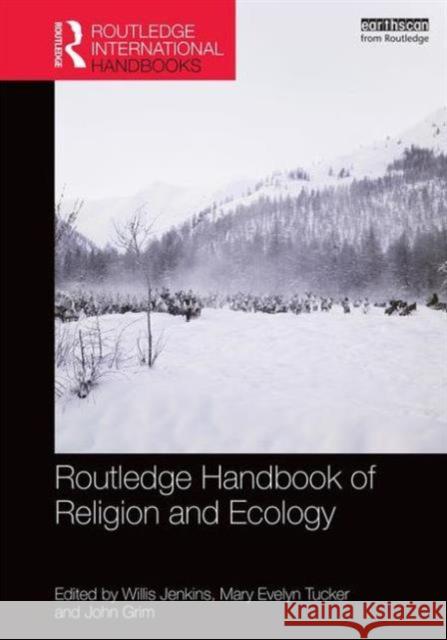
The "Routledge Handbook of Religion and Ecology" provides the most comprehensive and authoritative overview of the field. It encourages both appreciative and critical angles regarding religious traditions, communities, attitude, and practices. It presents contrasting ways of thinking about "religion" and about "ecology" and about ways of connecting the two terms. Written by a...
The moral values and interpretive systems of religions are crucially involved in how people imagine the challenges of sustainability and how societ...