U. S. Environmental Protection Agency U S Agency for International Development
In an effort to help meet growing demands being placed on available water supplies, many communities throughout the U.S. and the world are turning to water reclamation and reuse. Water reclamation and reuse offer an effective means of conserving our limited high-quality freshwater supplies while helping to meet the ever growing demands for water. For many years, effluent discharges have been accepted as an important source for maintaining minimum stream flows. The investment in treatment technologies required to meet restrictive discharge limits has lead an increasing number of industries and...
In an effort to help meet growing demands being placed on available water supplies, many communities throughout the U.S. and the world are turning to ...
The U.S. Environmental Protection Agency (EPA) created the Environmental Monitoring for Public Access and Community Tracking (EMPACT) program to take advantage of new technologies that make it possible to provide environmental information to the public in near real-time. EPA partnered with the National Oceanic and Atmospheric Administration (NOAA) and the U.S. Geological Survey (USGS) to help achieve nationwide consistency in measuring environmental data, managing the information, and delivering it to the public. Through the use of grants, EMPACT helped local governments build monitoring...
The U.S. Environmental Protection Agency (EPA) created the Environmental Monitoring for Public Access and Community Tracking (EMPACT) program to take ...
As food processors, you are regulated by a variety of federal laws administered by the U.S. Environmental Protection Agency (EPA) that impact human activities and the environment. Noncompliance with these regulations can damage human health and the environment, and result in significant financial liabilities for clean up costs or fines. Environmental compliance may be difficult for some food processors that do not have the time, staff, or other resources necessary to determine their responsibilities. Also, environmental regulations and laws can be complicated, and information on environmental...
As food processors, you are regulated by a variety of federal laws administered by the U.S. Environmental Protection Agency (EPA) that impact human ac...
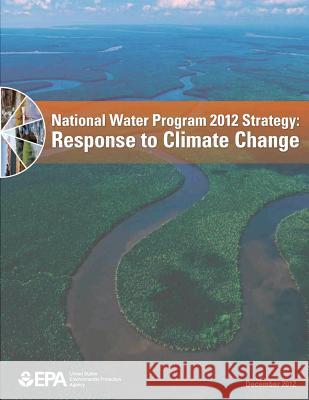
For the past forty years, federal, state, tribal, and local governments have worked diligently to identify and address water pollution problems. As a result, our drinking water is safer, our rivers, lakes, and coastal waters are cleaner, and the health of our wetlands and watersheds is improved. In 2008, the EPA National Water Program Strategy: Response to Climate Change described the emerging scientific consensus on the potential impacts of climate change on water resources. Increasingly, impacts are being observed in communities across the nation and are expected to continue, including:...
For the past forty years, federal, state, tribal, and local governments have worked diligently to identify and address water pollution problems. As a ...
The National Pollutant Discharge Elimination System (NPDES) Compliance Inspection Manual has been developed to support personnel that conduct NPDES inspections of wastewater treatment plants, storm water industrial and construction sites, pretreatment facilities, biosolids handling and treatment facilities, Concentrated Animal Feeding Operations (CAFOs), municipal wastewater collection systems (combined and separate from storm water) as well as pollution prevention and multimedia concerns. These procedures are fundamental to the NPDES compliance program and provide inspectors with a method...
The National Pollutant Discharge Elimination System (NPDES) Compliance Inspection Manual has been developed to support personnel that conduct NPDES in...
For decades, communities have been reusing valuable reclaimed water to recharge groundwater aquifers, irrigate landscapes and agricultural fields, provide critical stream flows, and provide industries and facilities with an alternative to potable water for a range of uses. While water reuse is not new, population increases and land use changes, combined with changes in the intensity and dynamics of local climatic weather patterns, have exacerbated water supply challenges in many areas of the world. Furthermore, treated wastewater is increasingly being seen as a resource rather than simply...
For decades, communities have been reusing valuable reclaimed water to recharge groundwater aquifers, irrigate landscapes and agricultural fields, pro...
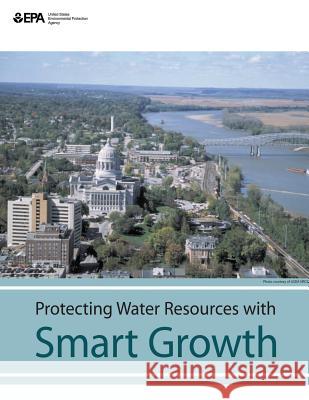
How are zoning codes and building designs related to standards established by the Clean Water Act? How do transportation choices or the mix of uses in a district affect the quality and quantity of stormwater runoff? How are development patterns associated with protecting the nation's water resources, including lakes, rivers, streams, and aquifers? As studies have shown, growth and development can have profound effects on our water resources. Storm sewer overflows and polluted runoff from non-point sources are a major reason that some water bodies do not meet Clean Water Act (CWA) standards....
How are zoning codes and building designs related to standards established by the Clean Water Act? How do transportation choices or the mix of uses in...
There is a deep spiritual connection between Native American people and the earth. Tribal communities are strongly committed to the restoration and protection of the natural environment, including surface and ground water resources. These rivers, lakes, streams, reservoirs, wetlands, estuaries, and coastal waters sustain fish and shellfish, provide recreational opportunities, supply drinking water, and allow ceremonial uses for many tribal communities. However, many water resources are threatened or impaired by polluted runoff, also known as nonpoint source (NPS) pollution. The goal of this...
There is a deep spiritual connection between Native American people and the earth. Tribal communities are strongly committed to the restoration and pr...
Guidance for facilities on how to determine whether they're required to report to the TRI Program, how to fill out reporting forms, changes to reporting requirements (if any) for RY 2012, and other important information. The TRI Reporting Forms and Instructions manual contains detailed explanations of how to report quantities of routine and accidental chemical releases, and releases resulting from catastrophic or other one-time events of EPCRA Section 313 chemicals, as well as the maximum amount of chemicals held on-site during the calendar year and the amount contained in wastes managed...
Guidance for facilities on how to determine whether they're required to report to the TRI Program, how to fill out reporting forms, changes to reporti...
Guidance for facilities on how to determine whether they're required to report to the TRI Program, how to fill out reporting forms, changes to reporting requirements (if any) for RY 2014, and other important information. The TRI Reporting Forms and Instructions manual contains detailed explanations of how to report quantities of routine and accidental chemical releases, and releases resulting from catastrophic or other one-time events of EPCRA Section 313 chemicals, as well as the maximum amount of chemicals held on-site during the calendar year and the amount contained in wastes managed...
Guidance for facilities on how to determine whether they're required to report to the TRI Program, how to fill out reporting forms, changes to reporti...