U. S. Department of Labor Occupational Safety and Administration
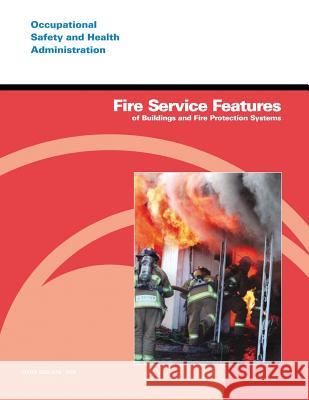
The purpose of this manual is to increase the safety of building occupants and emergency responders by streamlining fire service interaction with building features and fire protection systems. The information in this manual will assist designers of buildings and fire protection systems to better understand the needs of the fire service when they are called upon to operate in or near the built environment. To put this another way, architects and engineers create workplaces for firefighters. Designs can be tailored to better meet operational needs, thereby reducing the time it takes to mitigate...
The purpose of this manual is to increase the safety of building occupants and emergency responders by streamlining fire service interaction with buil...
U. S. Department of Labor Occupational Safety and Administration
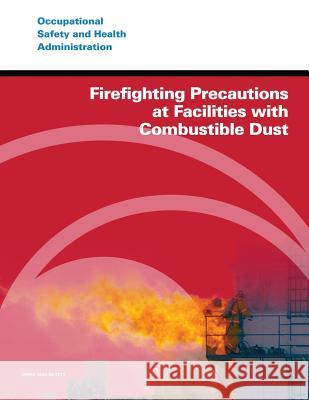
Every year, a number of emergency responders are injured, and sometimes killed, during emergency operations in facilities where combustible dusts exist. In some cases, responders have inadequate information or training on the explosible characteristics of combustible dust and/or the conditions present in the facility, which has increased the challenge of handling incidents safely and effectively. When there is a delay or setback during an incident, the risk of injury rises for facility workers as well as for emergency responders. Everyone is safer when facility and emergency personnel share...
Every year, a number of emergency responders are injured, and sometimes killed, during emergency operations in facilities where combustible dusts exis...
U. S. Department of Labor Occupational Safety and Administration
The summary of General Industry safety and health standards contained in this booklet are to aid employers, supervisors, workers, health and safety committee members, and safety and health personnel in their efforts toward achieving compliance with OSHA standards in the workplace. Although this digest does not contain a summary of all the General Industry safety and health standards, the ones presented here are the standards most frequently cited, and which cover particularly hazardous situations.
The summary of General Industry safety and health standards contained in this booklet are to aid employers, supervisors, workers, health and safety co...
National Institute Fo Safet Occupational Safety and Administration U. S. Coast Guard
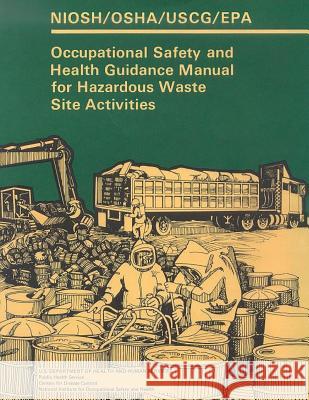
In the past decade, industry, government, and the general public have become increasingly aware of the need to respond to the hazardous waste problem, which has grown steadily over the past 40 years. In 1980, Congress passed the Comprehensive Environmental Response, Compensation, and Liability Act (CERCLA) -- the Superfund law-to provide for "liability, compensation, cleanup, and emergency response for hazardous substances released into the environment and the cleanup of inactive waste disposal sites." This manual is a guidance document for managers responsible for occupational safety and...
In the past decade, industry, government, and the general public have become increasingly aware of the need to respond to the hazardous waste problem,...
U. S. Department of Labor Occupational Safety and Administration
These guidelines provide recommendations for nursing home employers to help reduce the number and severity of work-related musculoskeletal disorders (MSDs) in their facilities. MSDs include conditions such as low back pain, sciatica, rotator cuff injuries, epicondylitis, and carpal tunnel syndrome. The recommendations in these guidelines are based on a review of existing practices and programs, State OSHA programs, as well as available scientific information, and reflect comments received from representatives of trade and professional associations, labor organizations, the medical community,...
These guidelines provide recommendations for nursing home employers to help reduce the number and severity of work-related musculoskeletal disorders (...
U. S. Department of Labor Occupational Safety and Administration
Originally published in 2004, these updated guidelines provide recommendations for poultry processing facilities to reduce the number and severity of work-related musculoskeletal disorders (MSDs). In preparing the following recommendations, OSHA reviewed existing practices and programs as well as available scientific information on ergonomic-related risk factors in poultry processing facilities. OSHA's guidelines are designed specifically for the poultry processing industry; however, other industries may find the recommendations and solutions presented useful. The heart of these guidelines is...
Originally published in 2004, these updated guidelines provide recommendations for poultry processing facilities to reduce the number and severity of ...
U. S. Department of Labor Occupational Safety and Administration
The Occupational Safety and Health Act of 1970 charges the Occupational Safety and Health Administration (OSHA) with protecting all working men and women across the United States. To do so, the agency sets federal standards1 for general industry, construction, and shipyard employment. OSHA also promotes a variety of voluntary programs that strive to form partnerships with businesses, labor, and other groups to help employers provide safer and more healthful workplaces for employees. Some of the agency's voluntary initiatives include safety and health management programs, the Voluntary...
The Occupational Safety and Health Act of 1970 charges the Occupational Safety and Health Administration (OSHA) with protecting all working men and wo...
U. S. Department of Labor Occupational Safety and Administration
Shipbreaking is a unique part of the maritime industry, primarily involving the dismantling and disposal of obsolete U.S. Navy and Maritime Administration ships, as well as commercial barges and mobile offshore drilling units. For many years, much of this work was contracted to overseas companies. However, in recent years the exporting of ships from the United States to foreign countries for scrapping has come under criticism due to concerns over worker safety and health, and adverse environmental impacts. As a result, the exporting of ships for scrapping was stopped by the Navy in December...
Shipbreaking is a unique part of the maritime industry, primarily involving the dismantling and disposal of obsolete U.S. Navy and Maritime Administra...
U. S. Department of Labor Occupational Safety and Administration
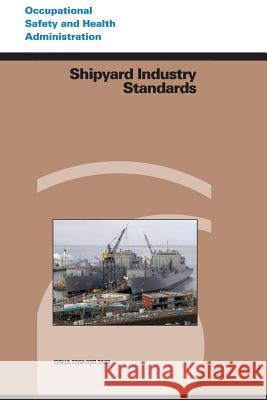
This booklet contains all the safety and health standards specific to the Shipyard Industry contained in Title 29 Code of Federal Regulations (CFR) Part 1915, as of July 1, 2008. Also included are brief discussions of the following: 1. The importance of regular employee training to establish and reinforce employee awareness in the areas of job safety and health. 2. The elements of a safety and health program that can be used by employers to develop effective programs at their worksites. A brief description of the OSHA Consultation Program, which is available to assist employers, is also...
This booklet contains all the safety and health standards specific to the Shipyard Industry contained in Title 29 Code of Federal Regulations (CFR) Pa...
U. S. Department of Labor Occupational Safety and Administration
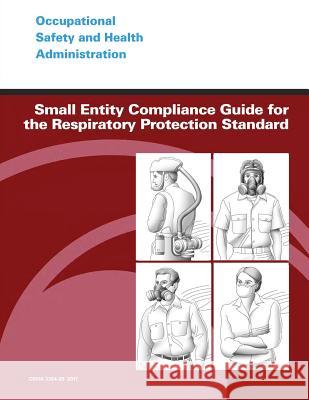
This Small Entity Compliance Guide (SECG) is intended to help small businesses comply with the Occupational Safety and Health Administration's (OSHA) Respiratory Protection standard (63 FR 1152; January 8, 1998). While the guide is for small entities, the guide itself is not small. OSHA's goal for this document is to provide small entities with a comprehensive step-by-step guide complete with checklists and commonly asked questions that will aid both employees and employers in small businesses with a better understanding of OSHA's respiratory protection standard. The reader should be advised...
This Small Entity Compliance Guide (SECG) is intended to help small businesses comply with the Occupational Safety and Health Administration's (OSHA) ...