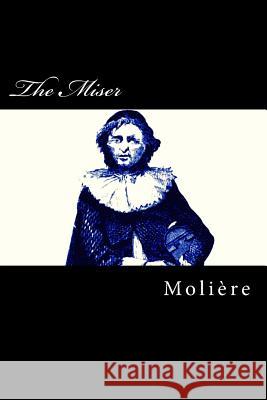
The Miser (French: L'Avare) is a five-act comedy in prose by the French playwright Moliere. It was first performed on September 9, 1668, in the theatre of the Palais-Royal in Paris. The miser of the title is called Harpagon, a name adapted from the Latin harpago, meaning a hook or grappling iron. He is obsessed with the wealth he has amassed and always ready to save expenses. Now a widower, he has a son, Cleante, and a daughter, Elise. Although he is over seventy, he is attempting to arrange a marriage between himself and an attractive young woman, Mariane. She and Cleante are already devoted...
The Miser (French: L'Avare) is a five-act comedy in prose by the French playwright Moliere. It was first performed on September 9, 1668, in the theatr...
Tales of Unrest is a collection of short stories by Joseph Conrad originally published in 1898. Four of the five stories had been published previously in various magazines. This book was the first published collection of any of Conrad's stories. Joseph Conrad (3 December 1857 - 3 August 1924) was a Polish novelist who wrote in English, after settling in England. Conrad is regarded as one of the great novelists in English, though he did not speak the language fluently until he was in his twenties . He wrote stories and novels, often with a nautical setting, that depict trials of the human...
Tales of Unrest is a collection of short stories by Joseph Conrad originally published in 1898. Four of the five stories had been published previously...
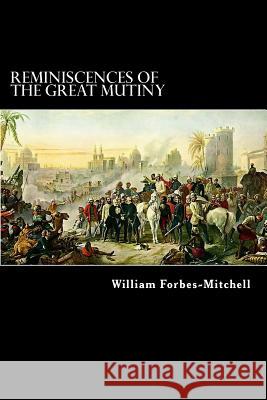
India's First war for Independence (aka Indian Rebellion of 1857) began as a mutiny of sepoys of the East India Company's army on 10 May 1857, in the cantonment of the town of Meerut, and soon escalated into other mutinies and civilian rebellions largely in the upper Gangetic plain and central India, with the major hostilities confined to present-day Uttar Pradesh, Bihar, northern Madhya Pradesh, and the Delhi region. The rebellion posed a considerable threat to East India Company power in that region, and was contained only with the fall of Gwalior on 20 June 1858. The rebellion is also...
India's First war for Independence (aka Indian Rebellion of 1857) began as a mutiny of sepoys of the East India Company's army on 10 May 1857, in the ...
Lady Chatterley's Lover is a novel by D. H. Lawrence, first published in 1928. When first published the book became notorious for its colourful language and story of the relationship between a working-class man and an upper-class woman. David Herbert Lawrence (11 September 1885 - 2 March 1930) was an English novelist, poet, playwright, essayist, literary critic and painter who published as D. H. Lawrence. His collected works represent an extended reflection upon the dehumanising effects of modernity and industrialisation. In them, Lawrence confronts issues relating to emotional health and...
Lady Chatterley's Lover is a novel by D. H. Lawrence, first published in 1928. When first published the book became notorious for its colourful langua...
"On the Duty of Civil Disobedience" is an essay by American transcendentalist Henry David Thoreau which was first published in 1849. In it, Thoreau argues that individuals should not permit governments to overrule or atrophy their consciences, and that they have a duty to avoid allowing such acquiescence to enable the government to make them the agents of injustice. Thoreau was motivated in part by his disgust with slavery and the Mexican-American War. Henry David Thoreau (July 12, 1817 - May 6, 1862) was an American author, poet, philosopher, abolitionist, naturalist, development critic,...
"On the Duty of Civil Disobedience" is an essay by American transcendentalist Henry David Thoreau which was first published in 1849. In it, Thoreau ar...
The Volsungasaga (often referred to in English as the Volsunga Saga or Saga of the Volsungs) is a legendary saga, a late 13th century Icelandic prose rendition of the origin and decline of the Volsung clan (including the story of Sigurd and Brynhild and the destruction of the Burgundians). It is largely based on epic poetry. The earliest known pictorial representation of this tradition is the Ramsund carving, in Sweden, which was created circa 1000 AD. The origins of the material are considerably older, however, and it echoes real events in Central Europe during the Migration Period. The only...
The Volsungasaga (often referred to in English as the Volsunga Saga or Saga of the Volsungs) is a legendary saga, a late 13th century Icelandic prose ...
The Last of the Mohicans is a historical novel by James Fenimore Cooper first published in 1826. The novel is primarily set in the upper New York wilderness, detailing the transport of the two daughters of Colonel Munro, Alice and Cora, to a safe destination at Fort William Henry. Among the caravan guarding the women are the frontiersman Natty Bumppo, the Major Duncan Heyward, and the Indians Chingachgook and Uncas, the former of whom is the novel's title character. It has been adapted numerous times and in different languages for films, TV movies and cartoons. James Fenimore Cooper...
The Last of the Mohicans is a historical novel by James Fenimore Cooper first published in 1826. The novel is primarily set in the upper New York wild...