This was the name of a remarkable African, who excited a good deal of interest in his day. His father and mother were stolen from Africa and put on board a slave-ship in 1729, which was one hundred and thirty-six years ago. He was born during the passage, and when the vessel arrived at Carthagena, in South America, he was baptized by the name of Ignatius. His mother died soon after, and his father, seeing no means of escape from slavery, killed himself in a fit of despair. The man who took possession of the little orphan, and claimed to be his master, carried him to England, and gave him to...
This was the name of a remarkable African, who excited a good deal of interest in his day. His father and mother were stolen from Africa and put on bo...
An Appeal in Favor of That Class of Americans Called Africans by Lydia Maria Child (1802-1880) provoked a storm of controversy when published in 1833. A prominent Massachusetts politician hurled the book out of the window with a pair of fire tongs. The Boston Athenaeum rescinded the free library privileges the trustees had conferred on Child. Former patrons among the Boston elite slammed their doors in Child's face and cut her dead in the streets. Most disastrous for a woman who supported herself and her husband with her pen, the sales of her books plummeted. The outrage Child's Appeal...
An Appeal in Favor of That Class of Americans Called Africans by Lydia Maria Child (1802-1880) provoked a storm of controversy when published in 1833....
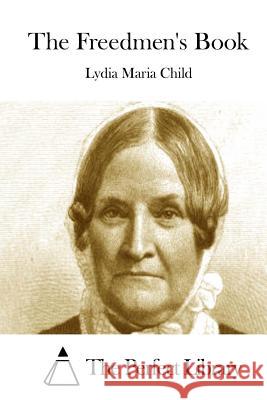
Lydia Maria Francis Child (born Lydia Maria Francis) (February 11, 1802 - October 20, 1880), was an American abolitionist, women's rights activist, Native American rights activist, novelist, journalist, and opponent of American expansionism. Her journals, both fiction and domestic manuals, reached wide audiences from the 1820s through the 1850s. At times she shocked her audience as she tried to take on issues of both male dominance and white supremacy in some of her stories. Despite these challenges, Child may be most remembered for her poem "Over the River and Through the Wood." Her...
Lydia Maria Francis Child (born Lydia Maria Francis) (February 11, 1802 - October 20, 1880), was an American abolitionist, women's rights activist, Na...
Lydia Maria Francis Child (born Lydia Maria Francis) (February 11, 1802 - October 20, 1880), was an American abolitionist, women's rights activist, Native American rights activist, novelist, journalist, and opponent of American expansionism. Her journals, both fiction and domestic manuals, reached wide audiences from the 1820s through the 1850s. At times she shocked her audience as she tried to take on issues of both male dominance and white supremacy in some of her stories. Despite these challenges, Child may be most remembered for her poem "Over the River and Through the Wood." Her...
Lydia Maria Francis Child (born Lydia Maria Francis) (February 11, 1802 - October 20, 1880), was an American abolitionist, women's rights activist, Na...
Lydia Maria Child, a controversial author who fought for the abolition of slavery, first published The American Frugal Housewife in 1829. The book was a huge success and went through 33 editions and secured her place in culinary history alongside Julia Child. Lydia Child wanted to support the idea that to be American is to be practical and economical. She was self-motivated, went against the tide, and took risks in an era when many women did not. Her writing style was ridiculed by many as lacking class, but her gritty writing was a reflection of the work itself. Written at a time when people...
Lydia Maria Child, a controversial author who fought for the abolition of slavery, first published The American Frugal Housewife in 1829. The book was...