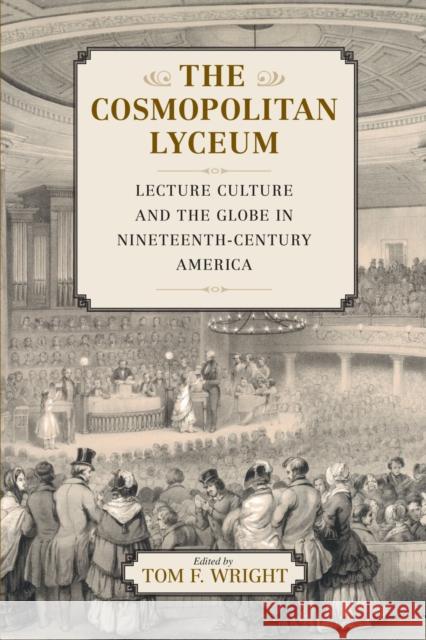
From the 1830s to the 1900s, a circuit of lecture halls known as the "lyceum movement" flourished across the United States. At its peak, up to a million people a week regularly attended talks in local venues, captivated by the words of visiting orators who spoke on an extensive range of topics. The movement was a major intellectual and cultural force of this nation-building period, forming the creative environment of writers and public figures such as Frederic Douglass, Ralph Waldo Emerson, Anna Dickinson, and Mark Twain.
The phenomenon of the lyceum has commonly been characterized as...
From the 1830s to the 1900s, a circuit of lecture halls known as the "lyceum movement" flourished across the United States. At its peak, up to a mi...
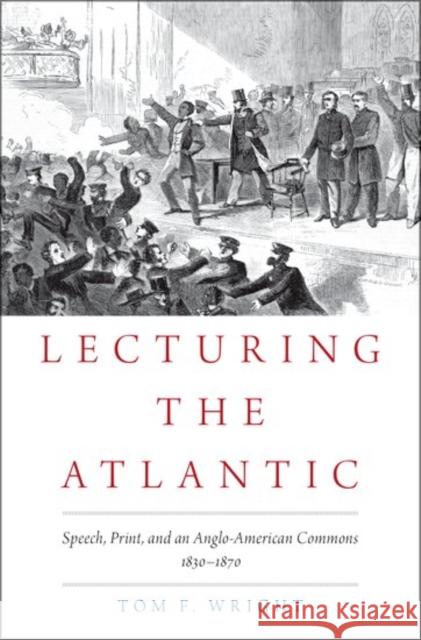
In the early nineteenth century, the public lecture emerged as one of the Anglo-American world's most important cultural forms. On both sides of the Atlantic, audiences and performers transformed a cultural practice with origins in the medieval cloister into an unexpected flashpoint medium of public life. In the United States, as part of the "lyceum movement," lecturing became crucial to literary and political life, multiple social reform movements, and the rise of public intellectualism, offering speakers from across the cultural spectrum a platform from which to promote their ideas and...
In the early nineteenth century, the public lecture emerged as one of the Anglo-American world's most important cultural forms. On both sides of the A...