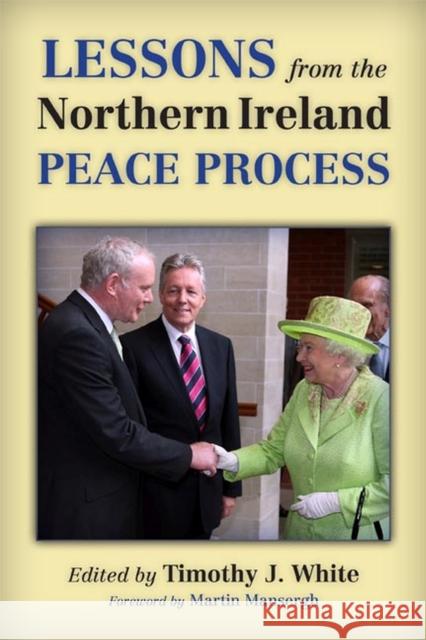
From the early 1970s through the mid-1990s, Northern Ireland was the site of bitter conflict between those struggling for reunification with the rest of Ireland and those wanting the region to remain a part of the United Kingdom. After years of strenuous negotiations, nationalists and unionists came together in 1998 to sign the Good Friday Agreement. Northern Ireland's peace process has been deemed largely successful. Yet remarkably little has been done to assess in a comprehensive fashion what can be learned from it.
Lessons from the Northern Ireland Peace Process...
From the early 1970s through the mid-1990s, Northern Ireland was the site of bitter conflict between those struggling for reunification with the rest ...
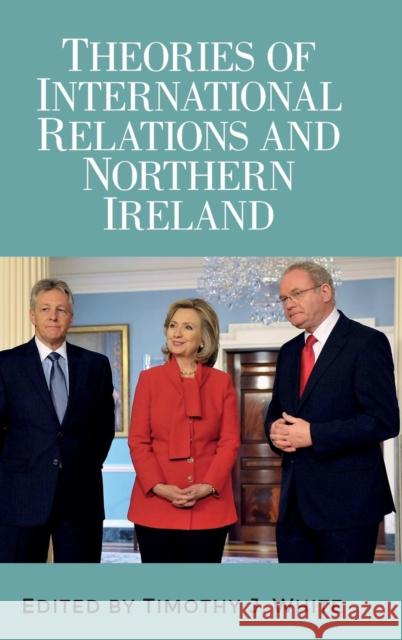
This book uses the case of Northern Ireland to evaluate a number of important theoretical approaches in International Relations. Building from theory, it explores the Good Friday or Belfast Agreement, looking at the negotiation process before the signing, the difficult implementation period that followed and the continuing challenges to peace in the region.
Contributors to the collection investigate a wide range of topics, including the function of deception in promoting peace, the question of partition and how it was reimagined by nationalists such as John Hume, and how the...
This book uses the case of Northern Ireland to evaluate a number of important theoretical approaches in International Relations. Building from theo...