On a spring day in 1277, the prominent Jewish businesswoman Licoricia of Winchester was found murdered by her daughter, stabbed to death in her own house. Alongside Licoricia's body was that of her Christian maid, Alice. Why was Licoricia killed? And, why was her death reported as far away as Germany? Now available in paperback, this ground-breaking book draws on extensive research in the fiscal archives of medieval England - most notably those of the Jewish Exchequer - to examine the family history behind this famous murder. It is the story of Licoricia's route to wealth through advantageous...
On a spring day in 1277, the prominent Jewish businesswoman Licoricia of Winchester was found murdered by her daughter, stabbed to death in her own ho...
This book is open access under a CC-BY 4.0 license.
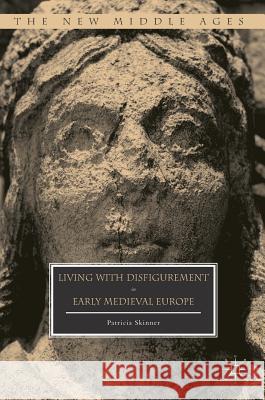
This book examines social and medical responses to the disfigured face in early medieval Europe, arguing that the study of head and facial injuries can offer a new contribution to the history of early medieval medicine and culture, as well as exploring the language of violence and social interactions. Despite the prevalence of warfare and conflict in early medieval society, and a veritable industry of medieval historians studying it, there has in fact been very little attention paid to the subject of head wounds and facial...
This book is open access under a CC-BY 4.0 license.
This book examines social and medical responses to the disfigured face in early m...
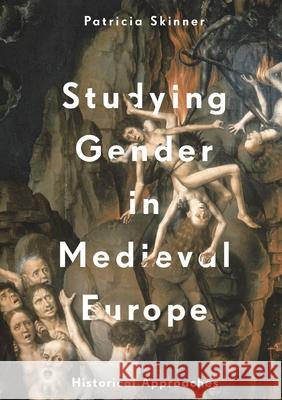
How can we incorporate gender into the study of medieval Europe and why should we do so? Skinner explores how historians have chosen to approach the period, and uses illustrative case studies to help students identify how their own approaches are a product of their social and political environment as well as their own personal preferences.
How can we incorporate gender into the study of medieval Europe and why should we do so? Skinner explores how historians have chosen to approach the p...
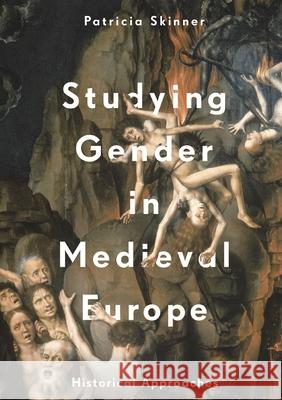
How can we incorporate gender into the study of medieval Europe and why should we do so? Skinner explores how historians have chosen to approach the period, and uses illustrative case studies to help students identify how their own approaches are a product of their social and political environment as well as their own personal preferences.
How can we incorporate gender into the study of medieval Europe and why should we do so? Skinner explores how historians have chosen to approach the p...
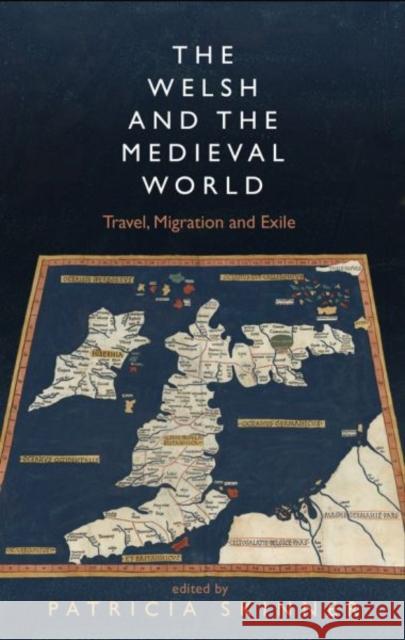
This book uses archaeological, historical and literary evidence to capture for the first time the medieval Welsh on the move between the fifth and fifteenth centuries.
This book uses archaeological, historical and literary evidence to capture for the first time the medieval Welsh on the move between the fifth and fif...
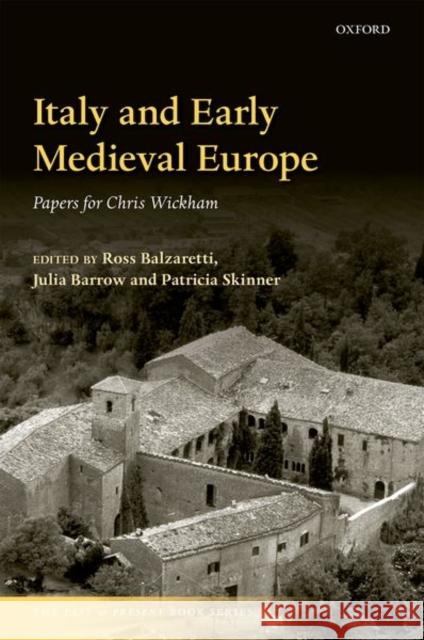
A comprehensive survey of recent work in Medieval Italian history and archaeology, set within a broader context of studies on major transitions in Europe from c.400 to c.1400CE. Each of the contributors also reflect on the contribution made to the field by Chris Wickham, whose own work spans the transition from Roman to medieval Europe.
A comprehensive survey of recent work in Medieval Italian history and archaeology, set within a broader context of studies on major transitions in Eur...