In the nineteenth century, long before film and television brought us explosions, car chases, and narrow escapes, it was America's theaters that thrilled audiences, with "sensation scenes" of speeding trains, burning buildings, and endangered bodies, often in melodramas extolling the virtues of temperance, abolition, and women's suffrage. Amy E. Hughes scrutinizes these peculiar intersections of spectacle and reform, revealing the crucial role that spectacle has played in American activism and how it has remained central to the dramaturgy of reform.
Hughes traces the cultural...
In the nineteenth century, long before film and television brought us explosions, car chases, and narrow escapes, it was America's theaters that th...
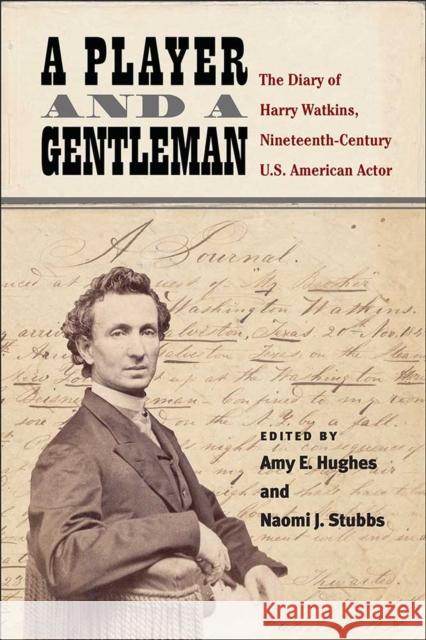
Actor, playwright, and producer Harry Watkins (1825-94) was also a prolific diarist. For 15 years Watkins recorded the plays he saw, the roles he performed, the books he read, and his impressions of current events. Theatre historians Amy E. Hughes and Naomi J. Stubbs have selected, edited, and annotated substantial excerpts from the diary.
Actor, playwright, and producer Harry Watkins (1825-94) was also a prolific diarist. For 15 years Watkins recorded the plays he saw, the roles he perf...