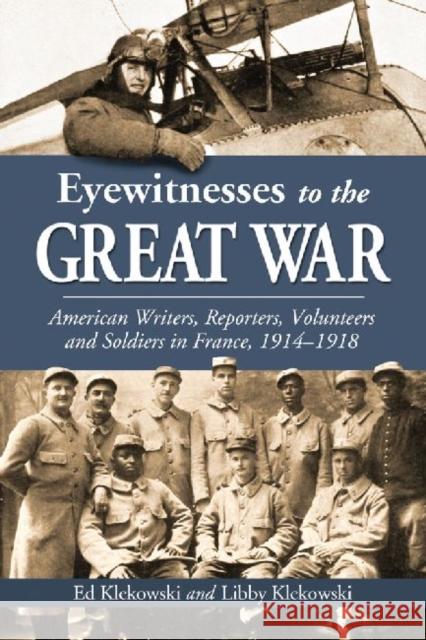
Beginning with the novelist Edith Wharton, who toured the front in her Mercedes in 1915, this book describes the wartime experiences of American idealists (and a few rogues) on the Western Front and concludes with the doughboys' experiences under General Pershing. Americans were "over there" from the war's beginning in August 1914, and because America was neutral until April 1917, they saw the war from both the French and German lines. Since most of the Americans who served, regardless of which side they were on, were in Champagne and Lorraine, this sector is the focus. Excerpts from memoirs...
Beginning with the novelist Edith Wharton, who toured the front in her Mercedes in 1915, this book describes the wartime experiences of American ideal...
Belgium in the First World War: the first country invaded, the longest occupied, and the last liberated. In 1914, Belgium was home to a large American colony: people working for U.S. corporations, diplomats with the American Legation and Americans in the arts - Brussels was cheaper than Paris. After the invasion, American journalists, writers and adventurers flocked to the invaded country to follow the action; in Belgium, military restrictions on travel were less stringent than in England or France.
As the most industrialised country in Europe, Belgium depended upon trade and food...
Belgium in the First World War: the first country invaded, the longest occupied, and the last liberated. In 1914, Belgium was home to a large American...
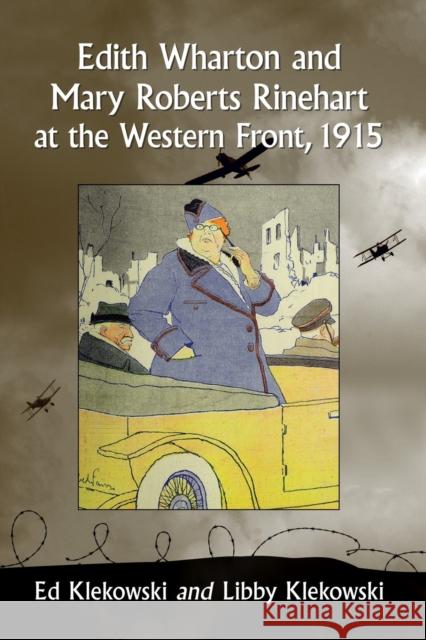
By 1915, the Western Front was a 450 mile line of trenches, barbed wire and concrete bunkers. Remakably, the Allied command gave two American women, Edith Wharton and Mary Roberts Rinehart, permission to visit the front and report on what they saw. Their travels are reconstructed from their own published accounts, Rinehart's day-by-day notes, and the writings of other journalists.
By 1915, the Western Front was a 450 mile line of trenches, barbed wire and concrete bunkers. Remakably, the Allied command gave two American women, E...