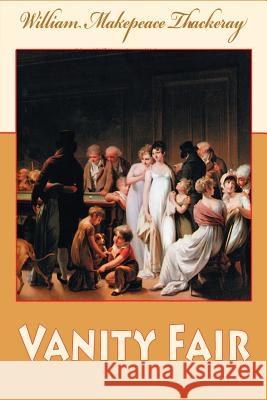
Vanity Fair: A Novel without a Hero is a novel by William Makepeace Thackeray, first published in 1847-48, satirizing society in early 19th-century Britain. The book's title comes from John Bunyan's allegorical story The Pilgrim's Progress, first published in 1678 and still widely read at the time of Thackeray's novel. Vanity fair refers to a stop along the pilgrim's progress: a never-ending fair held in a town called Vanity, which is meant to represent man's sinful attachment to worldly things. The novel is now considered a classic, and has inspired several film adaptations. Includes vintage...
Vanity Fair: A Novel without a Hero is a novel by William Makepeace Thackeray, first published in 1847-48, satirizing society in early 19th-century Br...
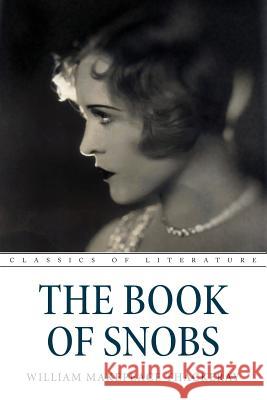
The Book of Snobs is a collection of satirical works by William Makepeace Thackeray first published in the magazine Punch as The Snobs of England, By One of Themselves. Published in 1848, the book was serialised in 1846/47 around the same time as Vanity Fair. While the word 'snob' had been in use since the end of the 18th century Thackeray's adoption of the term to refer to people who look down on others who are "socially inferior" quickly gained popularity.
The Book of Snobs is a collection of satirical works by William Makepeace Thackeray first published in the magazine Punch as The Snobs of England, By ...
is a novel by English writer William Makepeace Thackeray, first published in 1847-48, satirizing society in the UK in the early nineteenth century. The book's title comes from the allegorical story of John Bunyan's Pilgrim's Progress, first published in 1678 and still widely read at the time of the Thackeray novel. The Vanity Fair refers to a stop on the pilgrim's progress: an endless show in a town called Vanity, who claimed to represent the sinful man's attraction for worldly things. The novel is now considered a classic, and has inspired several film adaptations, the most recent being the...
is a novel by English writer William Makepeace Thackeray, first published in 1847-48, satirizing society in the UK in the early nineteenth century. Th...
William Makepeace Thackeray ( 18 July 1811 - 24 December 1863) was an English novelist of the 19th century. He is famous for his satirical works, particularly Vanity Fair, a panoramic portrait of English society. Thackeray, an only child, was born in Calcutta, British India, where his father, Richmond Thackeray (1 September 1781 - 13 September 1815), was secretary to the Board of Revenue in the British East India Company. His mother, Anne Becher (1792-1864), was the second daughter of Harriet Becher and John Harman Becher, who was also a secretary (writer) for the East India Company.Richmond...
William Makepeace Thackeray ( 18 July 1811 - 24 December 1863) was an English novelist of the 19th century. He is famous for his satirical works, part...
William Makepeace Thackeray ( 18 July 1811 - 24 December 1863) was an English novelist of the 19th century. He is famous for his satirical works, particularly Vanity Fair, a panoramic portrait of English society. Thackeray, an only child, was born in Calcutta, British India, where his father, Richmond Thackeray (1 September 1781 - 13 September 1815), was secretary to the Board of Revenue in the British East India Company. His mother, Anne Becher (1792-1864), was the second daughter of Harriet Becher and John Harman Becher, who was also a secretary (writer) for the East India Company.Richmond...
William Makepeace Thackeray ( 18 July 1811 - 24 December 1863) was an English novelist of the 19th century. He is famous for his satirical works, part...