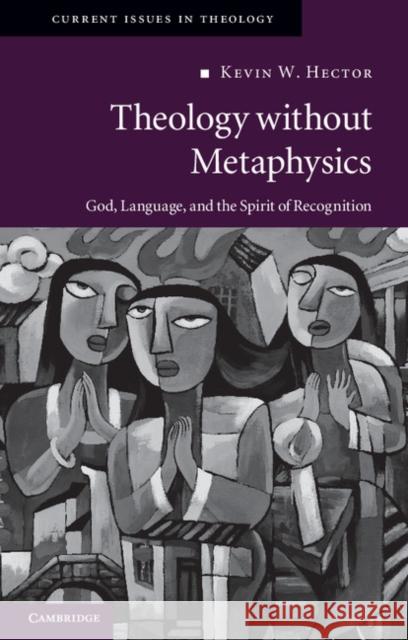
One of the central arguments of post-metaphysical theology is that language is inherently 'metaphysical' and consequently that it shoehorns objects into predetermined categories. Because God is beyond such categories, it follows that language cannot apply to God. Drawing on recent work in theology and philosophy of language, Kevin Hector develops an alternative account of language and its relation to God, demonstrating that one need not choose between fitting God into a metaphysical framework, on the one hand, and keeping God at a distance from language, on the other. Hector thus elaborates a...
One of the central arguments of post-metaphysical theology is that language is inherently 'metaphysical' and consequently that it shoehorns objects in...
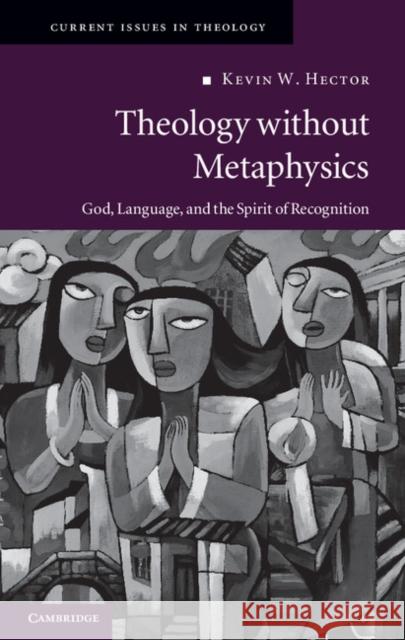
One of the central arguments of post-metaphysical theology is that language is inherently 'metaphysical' and consequently that it shoehorns objects into predetermined categories. Because God is beyond such categories, it follows that language cannot apply to God. Drawing on recent work in theology and philosophy of language, Kevin Hector develops an alternative account of language and its relation to God, demonstrating that one need not choose between fitting God into a metaphysical framework, on the one hand, and keeping God at a distance from language, on the other. Hector thus elaborates a...
One of the central arguments of post-metaphysical theology is that language is inherently 'metaphysical' and consequently that it shoehorns objects in...