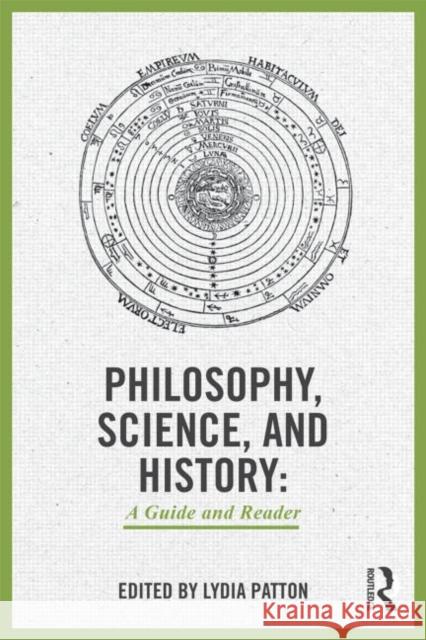
Philosophy, Science, and History: A Guide and Reader is a compact overview of the history and philosophy of science that aims to introduce students to the groundwork of the field, and to stimulate innovative research. The general introduction focuses on scientific theory change, assessment, discovery, and pursuit. Part I of the Reader begins with classic texts in the history of logical empiricism, including Reichenbach's discovery-justification distinction. With careful reference to Kuhn's analysis of scientific revolutions, the section provides key texts analyzing the...
Philosophy, Science, and History: A Guide and Reader is a compact overview of the history and philosophy of science that aims to introduce...
Philosophy, Science, and History: A Guide and Reader is a compact overview of the history and philosophy of science that aims to introduce students to the groundwork of the field, and to stimulate innovative research. The general introduction focuses on scientific theory change, assessment, discovery, and pursuit. Part I of the Reader begins with classic texts in the history of logical empiricism, including Reichenbach's discovery-justification distinction. With careful reference to Kuhn's analysis of scientific revolutions, the section provides key texts analyzing the...
Philosophy, Science, and History: A Guide and Reader is a compact overview of the history and philosophy of science that aims to introduce...
Twelve brand-new essays by an international team of leading philosophers examine central questions on the laws of nature, such as: what is the origin of the concept of a law of nature? How much does it owe to theology and metaphysics? And, are there exceptions to the laws of nature?
Twelve brand-new essays by an international team of leading philosophers examine central questions on the laws of nature, such as: what is the origin ...