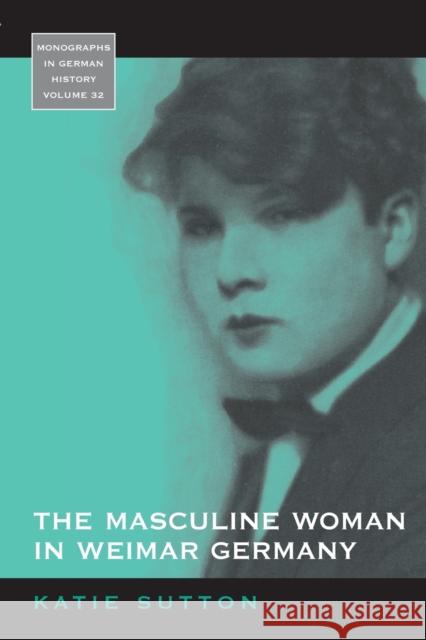
Throughout the Weimar period the so-called "masculinization of woman" was much more than merely an outsider or subcultural phenomenon; it was central to representations of the changing female ideal, and fed into wider debates concerning the health and fertility of the German "race" following the rupture of war. Drawing on recent developments within the history of sexuality, this book sheds new light on representations and discussions of the masculine woman within the Weimar print media from 1918-1933. It traces the connotations and controversies surrounding this figure from her rise to...
Throughout the Weimar period the so-called "masculinization of woman" was much more than merely an outsider or subcultural phenomenon; it was centr...
The case study has proved of enduring interest to all Western societies, particularly in relation to questions of subjectivity and the sexed self. This volume interrogates how case studies have been used by doctors, lawyers, psychoanalysts, and writers to communicate their findings both within the specialist circles of their academic disciplines, and beyond, to wider publics. At the same time, it questions how case studies have been taken up by a range of audiences to refute and dispute academic knowledge. As such, this book engages with case studies as sites of interdisciplinary...
The case study has proved of enduring interest to all Western societies, particularly in relation to questions of subjectivity and the sexed self. ...