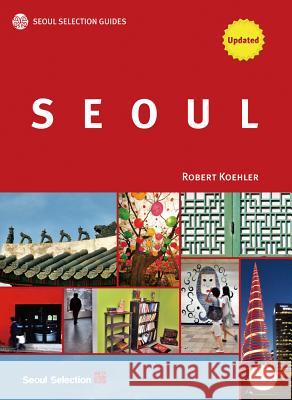
Korea's capital for the last 600 years, Seoul is an energetic, pulsating city where the ancient and modern coexist in dramatic contrast. With its grand royal palaces, quaint old alleyways, ancient temples, colorful markets, neon shopping districts, and verdant mountains, you'll never run out of things to see and do.
The most comprehensive guidebook to the city of Seoul ever released, "SEOUL" contains 464 pages of in-depth travel information, helpful tips, background information on culture and history, detailed maps, and beautiful photographs. Making full use of Seoul Selection's vast...
Korea's capital for the last 600 years, Seoul is an energetic, pulsating city where the ancient and modern coexist in dramatic contrast. With its g...
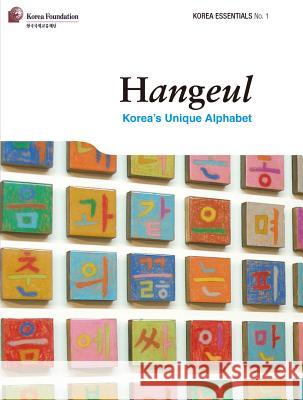
Hangeul, the indigenous writing system of the Korea, was promulgated in 1446. It is an ingenious system that utilizes modern and scientific linguistic theories and principles of Korean traditional culture to perfectly express the sounds of the Korean language. Crafted by some of the leading scholars of the age, including the brilliant King Sejong the Great, the alphabet has been widely lauded by scholars the world over for its advanced phonetic system and ease of use. Noted linguist Geoffrey Sampson, in his work "Writing Systems: A Linguistic Introduction," even went as far as to say,...
Hangeul, the indigenous writing system of the Korea, was promulgated in 1446. It is an ingenious system that utilizes modern and scientific linguis...
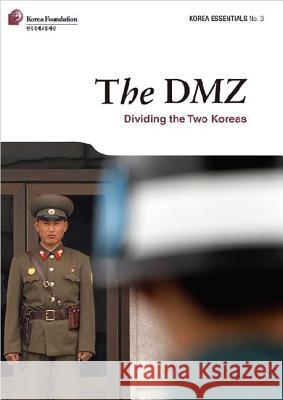
Four kilometers wide and stretching 250 km from the East Sea to the West Sea, the Korean Demilitarized Zone divides the Korean Peninsula roughly in half, with the Republic of Korea to the south and the Democratic People's Republic of Korea to the north. Born of the fratricidal Korean War, it is perhaps the oldest continuous symbol of the Cold War and a tense border separating the two halves of the world's last divided nation, where democracy and communism still glare at one another in mutual animosity. Nowhere is this more evident than at the Joint Security Area (JSA) near the so-called...
Four kilometers wide and stretching 250 km from the East Sea to the West Sea, the Korean Demilitarized Zone divides the Korean Peninsula roughly in ha...
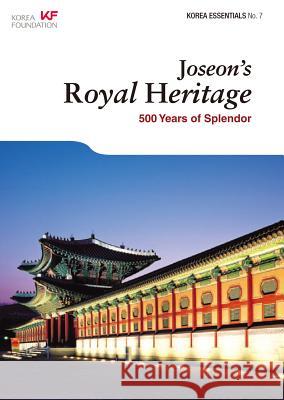
A look at the glorious culture, history, and spirit of the Joseon Dynasty through palaces, royal tombs, and the Annals of the Joseon Dynasty, the treasured vestiges of the Joseon kings.
A look at the glorious culture, history, and spirit of the Joseon Dynasty through palaces, royal tombs, and the Annals of the Joseon Dynasty, the trea...
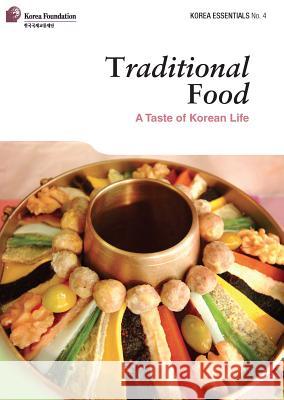
Nowadays, with healthy living and the "slow food" movement receiving spotlight worldwide, Korean cuisine is drawing much interest as a healthy cuisine with nutritional harmony and balance. In fact, Koreans have traditionally viewed food as "medicine," a means to keep oneself healthy and strong.
...] Korea's four seasons and geography have produced a good many seasonal dishes and foods that reflect the nation's geographic characteristics, such as seafood from the ocean that surrounds the peninsula.
This book will attempt to explore Korea's 5,000-year-old culinary culture and...
Nowadays, with healthy living and the "slow food" movement receiving spotlight worldwide, Korean cuisine is drawing much interest as a healthy cuis...
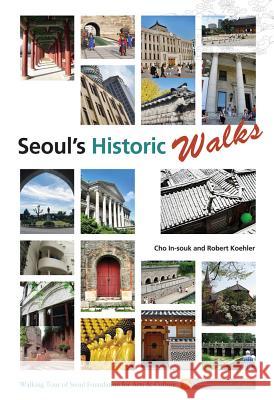
In this handy guidebook based on the tours offered by the Seoul Foundation for Arts and Culture, Korean traditional architecture expert Cho In-souk and magazine editor Robert Koehler share their appreciation of architecture and love for Seoul's history as they take you through some of Seoul's lesser-known historic sites and give visitors a better understanding of Seoul's development from medieval walled city to modern metropolis. Seoul is a fascinating city where old and new often coexist in jarring contrast. The best way to explore it, however, is to stretch your legs and walk, and "Seoul's...
In this handy guidebook based on the tours offered by the Seoul Foundation for Arts and Culture, Korean traditional architecture expert Cho In-souk an...
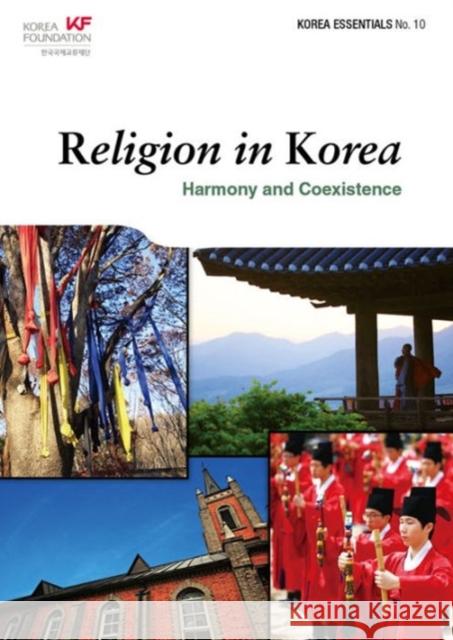
This book surveys the rich religious and spiritual tapestry that is contemporary Korea. We begin with the earliest of Korean faiths--the shamanism that prehistoric Koreans brought with them as they migrated to the peninsula from Central Asia--and continue on to today's most prominent faiths: Buddhism, Christianity, and Confucianism. Korea has given birth to a large number of indigenous faiths, and the work examines these as well.
This book surveys the rich religious and spiritual tapestry that is contemporary Korea. We begin with the earliest of Korean faiths--the shamanism tha...
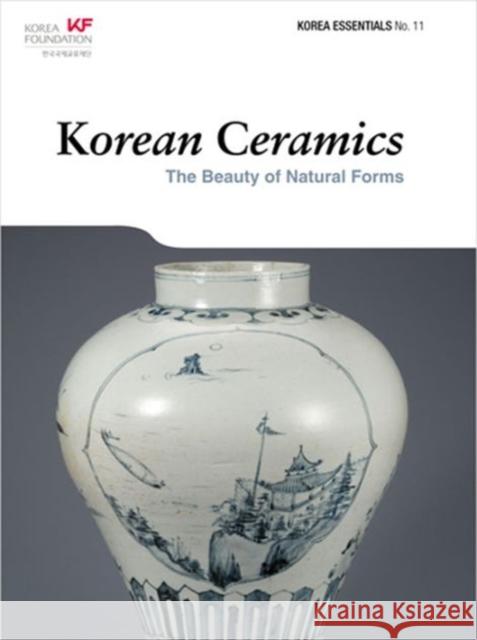
The most well-known Korean ceramics are the celadon of the Goryeo Dynasty (918-1392) and the white porcelain of the ensuing Joseon Dynasty (1392-1910). The celadons of Goryeo, their grace and color tinged with feminine beauty, symbolize an artistocratic Buddhist culture, while the white porcelains from the Joseon are thought to typify a bureaucratic and scholarly Confucian society and are essentially masculine in tone, vigorous and orderly. Korea's traditional ceramic wares serve as a barometer for understanding Korean culture in that they most accurately reflect Korean aesthetics and the...
The most well-known Korean ceramics are the celadon of the Goryeo Dynasty (918-1392) and the white porcelain of the ensuing Joseon Dynasty (1392-1910)...