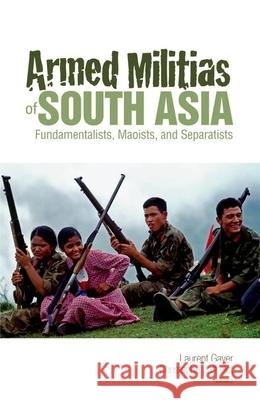
There seems to be no end to the growing number of victims of civil war, terrorism, guerrilla warfare and military repression on the Indian subcontinent, despite the absence of interstate wars over the past ten years. These conflicts often involve armed paramilitary militias or insurgents of one sort or other, and it is their ideology, sociology and strategies that the contributors to this book investigate. Whether based on ideological motives--such as the Maoists and Naxalites in Nepal and India--or invested with a fundamentalist religious mission--the Hindu nationalist Bajrang Dal in India,...
There seems to be no end to the growing number of victims of civil war, terrorism, guerrilla warfare and military repression on the Indian subcontinen...
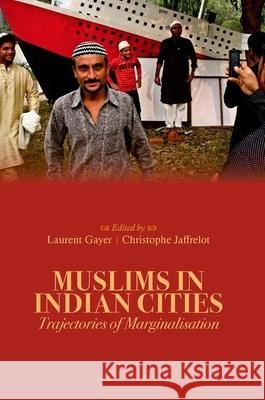
At more than 150 million people, Muslims are the largest Indian minority but are facing a significant decline in socio-economic as well as political terms--while waves of communal violence have affected them over the last twenty-five years. In India's cities, these developments find contrasting expressions. While Muslims are lagging behind, local syncretic cultures have proved to be resilient in the South and in the East (Bangalore, Calicut, Cuttack). In the Hindi belt and in the North, Muslims have met a different fate, especially in riot-prone areas (Ahmedabad, Mumbai, Jaipur, Aligarh)...
At more than 150 million people, Muslims are the largest Indian minority but are facing a significant decline in socio-economic as well as political t...