The preoccupations and sentiments of a common soldier caught in the most traumatic conflict in American history
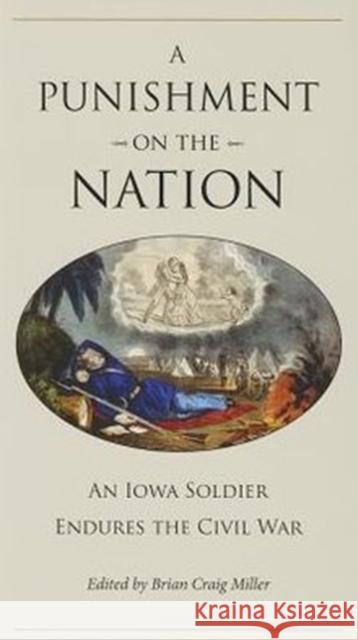
Private Silas W. Haven, a native New Englander transplanted to Iowa, enlisted in 1862 to fight in a war that he believed was God's punishment for the sin of slavery. Only through the war's purifying bloodshed, thought Haven, could the nation be redeemed and the Union saved. Marching off to war with the 27th Iowa Volunteer Infantry, Haven left behind his wife Jane and their three young children. Over the course of four years, he wrote her nearly two...
The preoccupations and sentiments of a common soldier caught in the most traumatic conflict in American history
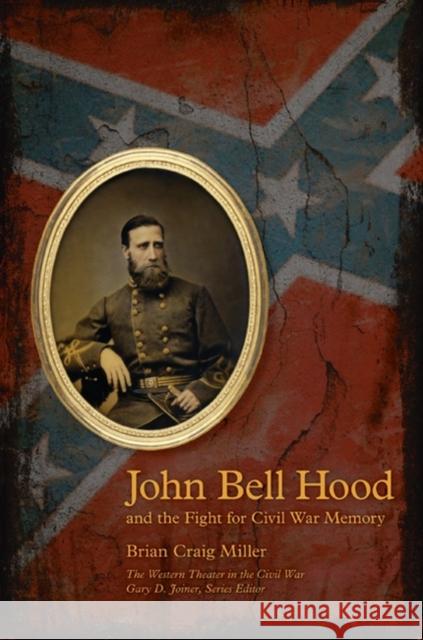
Previous biographers have poorly understood Hood within the culture of his times, but Miller's study is a refreshing look at this important theme. Relying on the perspective of memory studies and the experience of amputees, he adds new dimensions to our understanding of Hood and the Civil War. --Earl J. Hess, author of In the Trenches at Petersburg: Field Fortifications and Confederate Defeat Miller is particularly strong on the cultivation of Hood's legend as part of the Lost Cause narrative. . . . He has done nice work in areas previously neglected, offering the first new research...
Previous biographers have poorly understood Hood within the culture of his times, but Miller's study is a refreshing look at this important theme. Rel...
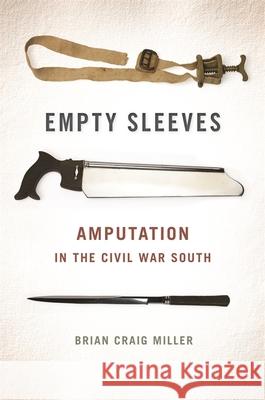
The Civil War acted like a battering ram on human beings, shattering both flesh and psyche of thousands of soldiers. Despite popular perception that doctors recklessly erred on the side of amputation, surgeons labored mightily to adjust to the medical quagmire of war. And as Brian Craig Miller shows in Empty Sleeves, the hospital emerged as the first arena where southerners faced the stark reality of what amputation would mean for men and women and their respective positions in southern society after the war. Thus, southern women, through nursing and benevolent care, prepared men...
The Civil War acted like a battering ram on human beings, shattering both flesh and psyche of thousands of soldiers. Despite popular perception tha...
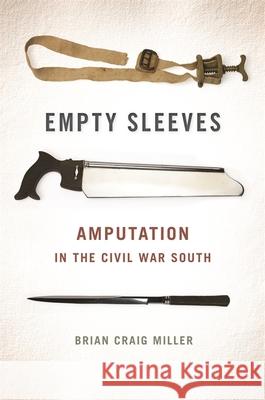
The Civil War acted like a battering ram on human beings, shattering both flesh and psyche of thousands of soldiers. Despite popular perception that doctors recklessly erred on the side of amputation, surgeons labored mightily to adjust to the medical quagmire of war. And as Brian Craig Miller shows in "Empty Sleeves," the hospital emerged as the first arena where southerners faced the stark reality of what amputation would mean for men and women and their respective positions in southern society after the war. Thus, southern women, through nursing and benevolent care, prepared men for the...
The Civil War acted like a battering ram on human beings, shattering both flesh and psyche of thousands of soldiers. Despite popular perception tha...