A main selection of the Military Book Club and a selection of the History Book Club.
With his parting words I shall return, General Douglas MacArthur sealed the fate of the last American forces on Bataan. Yet one young Army Captain named Russell Volckmann refused to surrender. He disappeared into the jungles of north Luzon where he raised a Filipino army of over 22,000 men. For the next three years he led a guerrilla war against the Japanese, killing over 50,000 enemy soldiers. At the same time he established radio contact with MacArthur s HQ in Australia and directed Allied forces...
A main selection of the Military Book Club and a selection of the History Book Club.
With his parting words I shall return, General Douglas M...
The fires on Bataan burned on the evening of April 9, 1942 -- illuminating the white flags of surrender against the nighttime sky. Woefully outnumbered, outgunned, and ill-equipped, battered remnants of the American-Philippine army surrendered to the forces of the Rising Sun. Yet amongst the chaos and devastation of the American defeat, Army Captain Donald D. Blackburn refused to lay down his arms. With future SF legend Russell Volckmann, Blackburn escaped from Bataan and fled to the mountainous jungles of North Luzon, where they raised a private army of over 22,000 men against the Japanese....
The fires on Bataan burned on the evening of April 9, 1942 -- illuminating the white flags of surrender against the nighttime sky. Woefully outnumbere...
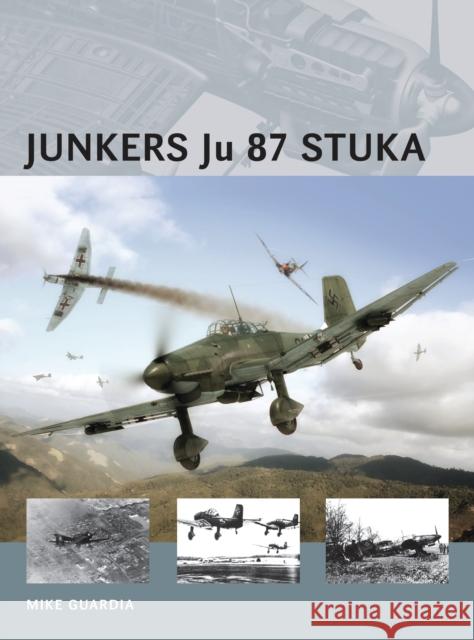
In the opening days of Nazi Germany's Blitzkrieg campaigns, few aircraft could invoke as much terror as the Junkers Ju 87. Nicknamed the "Stuka" (an abbreviation of Sturzkampfflugzeug - the German term for "dive-bomber"), the Ju 87 was perhaps the most feared tactical bomber of the ETO. With its fixed landing gear and inverted gull wings, the Stuka was easily one of the most recognizable aircraft of the Blitzkrieg era. Although a sturdy and reliable dive-bomber, the Stuka's effectiveness was largely psychological in nature. Its dive-activated air siren produced a dreadful wail - which could...
In the opening days of Nazi Germany's Blitzkrieg campaigns, few aircraft could invoke as much terror as the Junkers Ju 87. Nicknamed the "Stuka" (an a...
During the Cold War, the Soviet Army was perhaps the deadliest fighting force the world had ever seen. Within its mechanized forces, the Soviets accomplished something that their American counterparts never could - the fielding of a self-propelled anti-aircraft gun (SPAAG) that could keep pace with its heavy armored formations. This book examines the design, development and operational history of the Soviet Union's Cold War SPAAGs: the ZSU-37, ZSU-57-2, the infamous ZSU-23-4, and the 9K22 Tunguska (better known by its NATO reporting name: SA-19 "Grison"). These vehicles excelled in their air...
During the Cold War, the Soviet Army was perhaps the deadliest fighting force the world had ever seen. Within its mechanized forces, the Soviets accom...
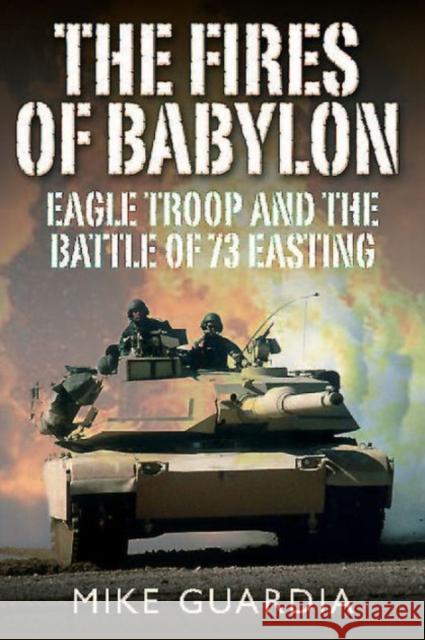
As a new generation of main battle tanks came on line during the 1980s, neither the US nor USSR had the chance to pit them in combat. But once the Cold War between the superpowers waned, Iraq s Saddam Hussein provided that chance with his invasion of Kuwait. Finally the new US M1A1 tank would see how it fared against the vaunted Soviet-built T-72.On the morning of August 2, 1990, Iraqi armored divisions invaded the tiny emirate of Kuwait. The Iraqi Army, after its long war with Iran, had more combat experience than the U.S. Army. Who knew if America s untested forces could be shipped across...
As a new generation of main battle tanks came on line during the 1980s, neither the US nor USSR had the chance to pit them in combat. But once the Col...
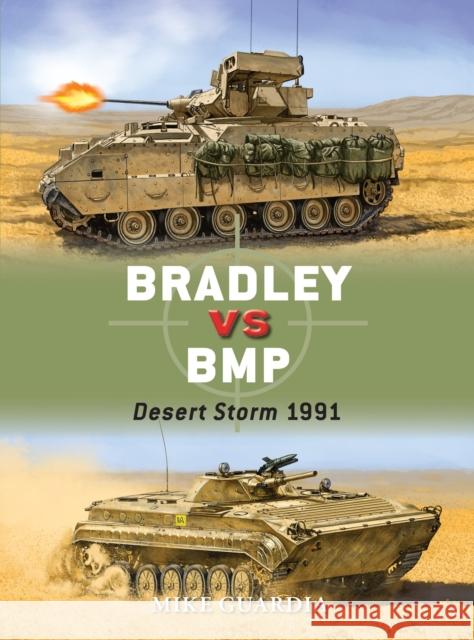
In the mid-1960s, the Soviet Union unveiled the BMP-1, the first true "infantry fighting vehicle." A revolutionary design, the BMP marked a significant departure from the traditional "armored personnel carrier," sporting a lower silhouette and a higher-caliber armament than rival APCs. One of the most fearsome light-armored vehicles of its day, it caused great consternation on the other side of the Iron Curtain as the Americans scrambled to design a machine to rival the BMP. The result was the M2 Bradley; however, the American type seemed to be at an immediate disadvantage, with a higher...
In the mid-1960s, the Soviet Union unveiled the BMP-1, the first true "infantry fighting vehicle." A revolutionary design, the BMP marked a signifi...