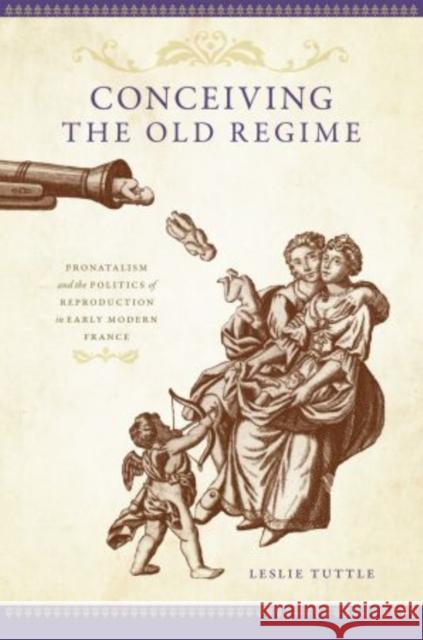
Early modern rulers believed that the more subjects over whom they ruled, the more powerful they would be. In 1666, France's Louis XIV and his minister Jean-Baptiste Colbert put this axiom into effect, instituting policies designed to encourage marriage and very large families. Their Edict on Marriage promised lucrative rewards to French men of all social statuses who married before age twenty-one or fathered ten or more living, legitimate children. So began a 150-year experiment in governing the reproductive process, the largest populationist initiative since the Roman Empire....
Early modern rulers believed that the more subjects over whom they ruled, the more powerful they would be. In 1666, France's Louis XIV and his ministe...
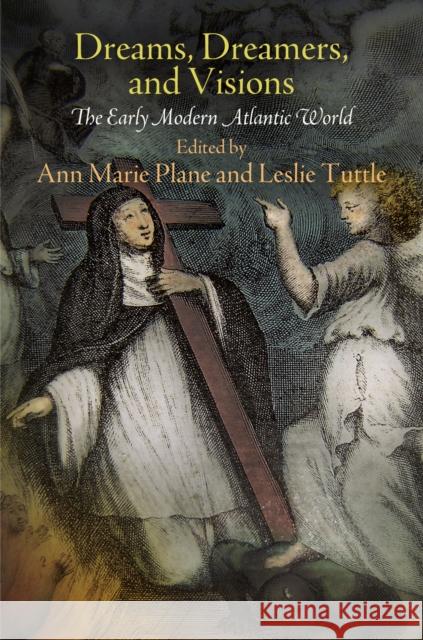
In Europe and North and South America during the early modern period, people believed that their dreams might be, variously, messages from God, the machinations of demons, visits from the dead, or visions of the future. Interpreting their dreams in much the same ways as their ancient and medieval forebears had done--and often using the dream-guides their predecessors had written--dreamers rejoiced in heralds of good fortune and consulted physicians, clerics, or practitioners of magic when their visions waxed ominous. Dreams, Dreamers, and Visions traces the role of dreams and...
In Europe and North and South America during the early modern period, people believed that their dreams might be, variously, messages from God, the...