Beginning near the end of the nineteenth century, a generation of reformers set their sights on the growing Mexican community in Los Angeles. Experimenting with a variety of policies on health, housing, education, and labor, these reformers--settlement workers, educationalists, Americanizers, government officials, and employers--attempted to transform the Mexican community with a variety of distinct and often competing agendas. In Race, Place, and Reform in Mexican Los Angeles, Stephanie Lewthwaite presents evidence from a myriad of sources that these varied agendas of reform...
Beginning near the end of the nineteenth century, a generation of reformers set their sights on the growing Mexican community in Los Angeles. Experime...
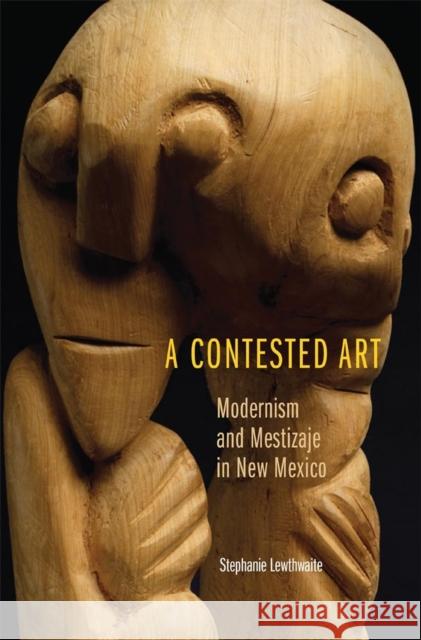
When New Mexico became an alternative cultural frontier for avant-garde Anglo-American writers and artists in the early twentieth century, the region was still largely populated by Spanish-speaking Hispanos. Anglos who came in search of new personal and aesthetic freedoms found inspiration for their modernist ventures in Hispano art forms. Yet, when these arrivistes elevated a particular model of Spanish colonial art through their preservationist endeavors and the marketplace, practicing Hispano artists found themselves working under a new set of patronage relationships and under new...
When New Mexico became an alternative cultural frontier for avant-garde Anglo-American writers and artists in the early twentieth century, the re...