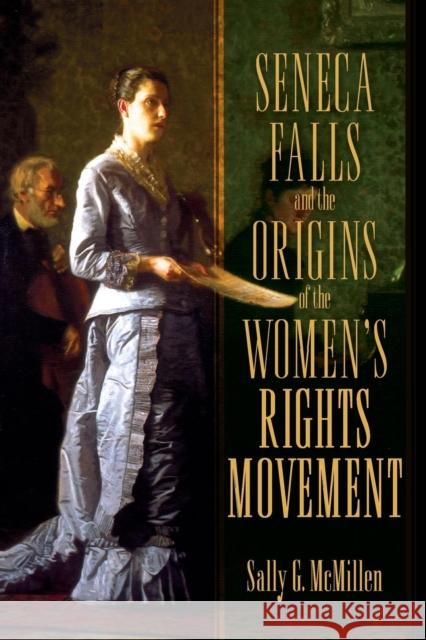
In the quiet town of Seneca Falls, New York, over the course of two days in July, 1848, a small group of women and men, led by Elizabeth Cady Stanton and Lucretia Mott, held a convention that would launch the women's rights movement and change the course of history. In Seneca Falls and the Origins of the Women's Rights Movement, Sally McMillen reveals, for the first time, the full significance of that revolutionary convention and the enormous changes it produced. The book covers 50 years of women's activism, from 1840 to 1890, focusing on four extraordinary figures--Mott, Stanton, Lucy Stone,...
In the quiet town of Seneca Falls, New York, over the course of two days in July, 1848, a small group of women and men, led by Elizabeth Cady Stanton ...
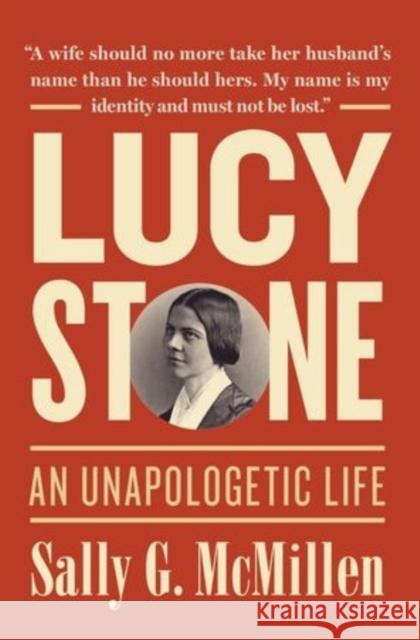
In the rotunda of the nation's Capital a statue pays homage to three famous nineteenth-century American women suffragists: Elizabeth Cady Stanton, Susan B. Anthony, and Lucretia Mott. "Historically," the inscription beneath the marble statue notes, "these three stand unique and peerless." In fact, the statue has a glaring omission: Lucy Stone. A pivotal leader in the fight for both abolition and gender equality, her achievements marked the beginning of the women's rights movement and helped to lay the groundwork for the eventual winning of women's suffrage. Yet, today most Americans have...
In the rotunda of the nation's Capital a statue pays homage to three famous nineteenth-century American women suffragists: Elizabeth Cady Stanton, Sus...
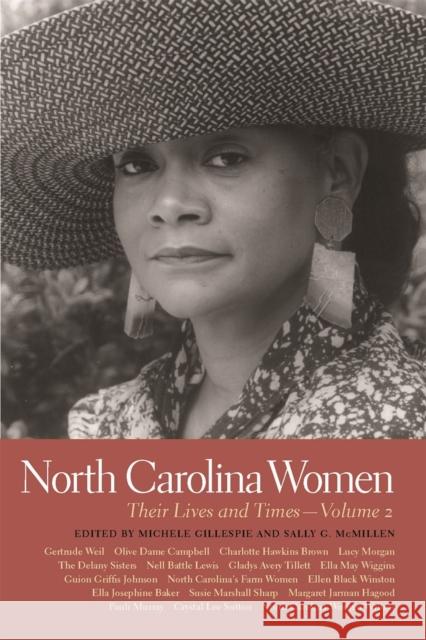
By the twentieth century, North Carolina's progressive streak had strengthened, thanks in large part to a growing number of women who engaged in and influenced state and national policies and politics. These women included Gertrude Weil who fought tirelessly for the Nineteenth Amendment, which extended suffrage to women, and founded the state chapter of the League of Women Voters once the amendment was ratified in 1920. Gladys Avery Tillett, an ardent Democrat and supporter of Roosevelt's New Deal, became a major presence in her party at both the state and national levels. Guion Griffis...
By the twentieth century, North Carolina's progressive streak had strengthened, thanks in large part to a growing number of women who engaged in an...
By the twentieth century, North Carolina s progressive streak had strengthened, thanks in large part to a growing number of women who engaged in and influenced state and national policies and politics. These women included Gertrude Weil who fought tirelessly for the Nineteenth Amendment, which extended suffrage to women, and founded the state chapter of the League of Women Voters once the amendment was ratified in 1920. Gladys Avery Tillett, an ardent Democrat and supporter of Roosevelt's New Deal, became a major presence in her party at both the state and national levels. Guion Griffis...
By the twentieth century, North Carolina s progressive streak had strengthened, thanks in large part to a growing number of women who engaged in an...