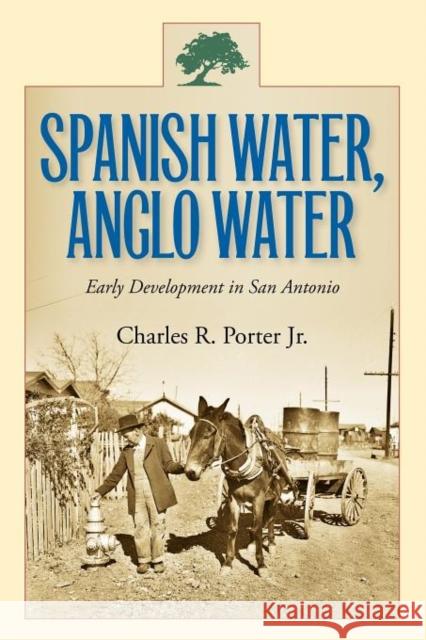
In 1718, the Spanish settled San Antonio, partly because of its prolific and breathtaking springs-at that time, one of the largest natural spring systems in the known world. The abundance of fresh water, coupled with the Spanish colonial legal concept that water was to be equitably shared by all settlers, led to the building of the system of acequias (canals or ditches) within the settlement. The system is one of the earliest and perhaps most extensive municipal water systems in North America. This book offers a meticulous chronicling of the origins and often-contentious development of water...
In 1718, the Spanish settled San Antonio, partly because of its prolific and breathtaking springs-at that time, one of the largest natural spring syst...
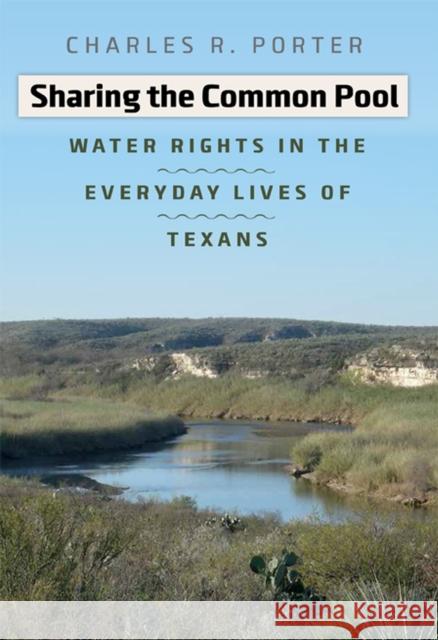
If all the people, municipalities, agencies, businesses, power plants, and other entities that think they have a right to the water in Texas actually tried to exercise those rights, there would not be enough water to satisfy all claims, no matter how legitimate. In "Sharing the Common Pool: Water Rights in the Everyday Lives of Texans," water rights expert Charles Porter explains in the simplest possible terms who has rights to the water in Texas, who determines who has those rights, and who benefits or suffers because of it. The origins of Texas water law, which contains elements of the...
If all the people, municipalities, agencies, businesses, power plants, and other entities that think they have a right to the water in Texas actually ...