Charles Egbert Craddock Mary Noailles Murfree Bill Hardwig
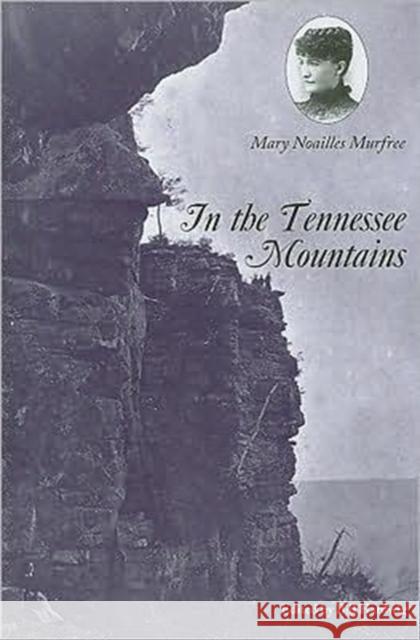
Hardwig makes Murfree come alive for us, and he helps us to see why we should still care about her work and her understanding of her historical moment and region. Stephanie Foote, author of Regional Fictions: Culture and Identity in Nineteenth-Century American Literature The rapid ascent and decline of Murfree's literary reputation, her unique standing as a popular interpreter of Appalachian people, her portrayals of strong female characters, and her complicated stance as an insider/outsider-tourist/native, southerner/non-southerner, male/female-all of these dimensions of Murfree...
Hardwig makes Murfree come alive for us, and he helps us to see why we should still care about her work and her understanding of her historical moment...
Drawing on tourist literature, travelogues, and local-color fiction about the South, Bill Hardwig tracks the ways in which the nation's leading interdisciplinary periodicals, especially the Atlantic Monthly, Harper's, and the Century, translated and broadcast the predominant narratives about the late-nineteenth-century South. In many ways, he attests, the national representation of the South was controlled more firmly by periodical editors working in the Northeast, such as William Dean Howells, Thomas Bailey Aldrich, and Richard Watson Gilder, than by writers living in and...
Drawing on tourist literature, travelogues, and local-color fiction about the South, Bill Hardwig tracks the ways in which the nation's leading int...
Drawing on tourist literature, travelogues, and local-color fiction about the South, Bill Hardwig tracks the ways in which the nation's leading interdisciplinary periodicals, especially the Atlantic Monthly, Harper's, and the Century, translated and broadcast the predominant narratives about the late-nineteenth-century South. In many ways, he attests, the national representation of the South was controlled more firmly by periodical editors working in the Northeast, such as William Dean Howells, Thomas Bailey Aldrich, and Richard Watson Gilder, than by writers living in and...
Drawing on tourist literature, travelogues, and local-color fiction about the South, Bill Hardwig tracks the ways in which the nation's leading int...
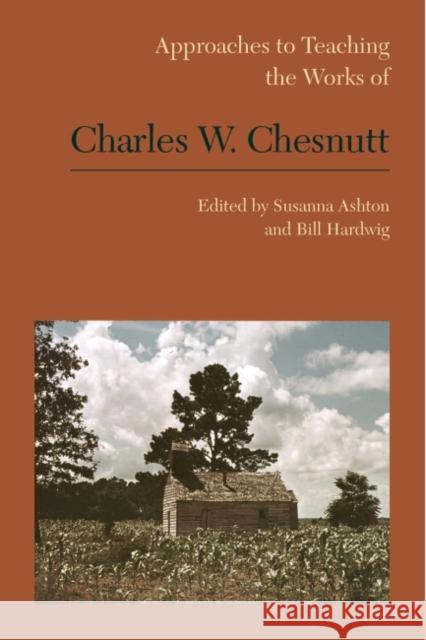
Growing up in Cleveland after the Civil War and during the brutal rollback of Reconstruction and the onset of Jim Crow, Charles W. Chesnutt could have passed as white but chose to identify himself as black. An intellectual and activist involved with the NAACP who engaged in debate with Booker T. Washington and W. E. B. Du Bois, he wrote fiction and essays that addressed issues as various as segregation, class among both blacks and whites, Southern nostalgia, and the Wilmington coup d'etat of 1898. The portrayals of race, racial violence, and stereotyping in Chesnutt's works challenge...
Growing up in Cleveland after the Civil War and during the brutal rollback of Reconstruction and the onset of Jim Crow, Charles W. Chesnutt could h...
Growing up in Cleveland after the Civil War and during the brutal rollback of Reconstruction and the onset of Jim Crow, Charles W. Chesnutt could have passed as white but chose to identify himself as black. An intellectual and activist involved with the NAACP who engaged in debate with Booker T. Washington and W. E. B. Du Bois, he wrote fiction and essays that addressed issues as various as segregation, class among both blacks and whites, Southern nostalgia, and the Wilmington coup d'etat of 1898. The portrayals of race, racial violence, and stereotyping in Chesnutt's works challenge...
Growing up in Cleveland after the Civil War and during the brutal rollback of Reconstruction and the onset of Jim Crow, Charles W. Chesnutt could h...