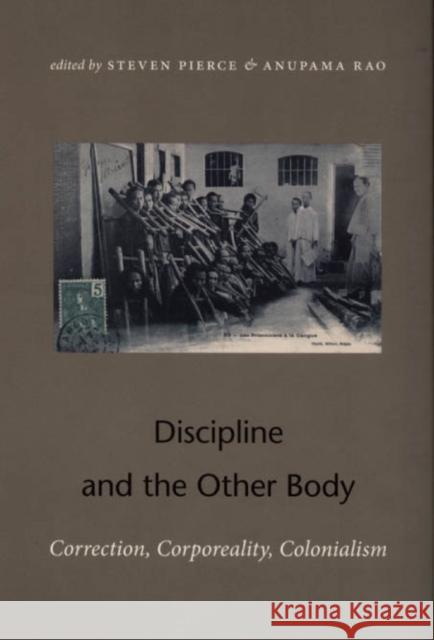
Discipline and the Other Body reveals the intimate relationship between violence and difference underlying modern governmental power and the human rights discourses that critique it. The comparative essays brought together in this collection show how, in using physical violence to discipline and control colonial subjects, governments repeatedly found themselves enmeshed in a fundamental paradox: Colonialism was about the management of difference--the "civilized" ruling the "uncivilized"--but colonial violence seemed to many the antithesis of civility, threatening to undermine the very...
Discipline and the Other Body reveals the intimate relationship between violence and difference underlying modern governmental power and the hu...
This innovative work of historical anthropology explores how India's Dalits, or ex-untouchables, transformed themselves from stigmatized subjects into citizens. Anupama Rao's account challenges standard thinking on caste as either a vestige of precolonial society or an artifact of colonial governance. Focusing on western India in the colonial and postcolonial periods, she shines a light on South Asian historiography and on ongoing caste discrimination, to show how persons without rights came to possess them and how Dalit struggles led to the transformation of such terms of colonial liberalism...
This innovative work of historical anthropology explores how India's Dalits, or ex-untouchables, transformed themselves from stigmatized subjects into...