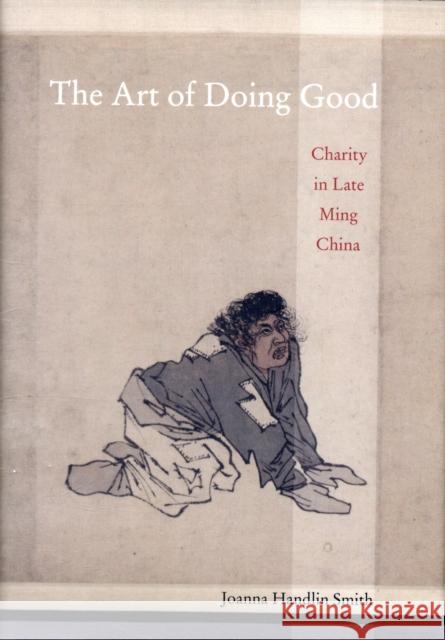
An unprecedented passion for saving lives swept through late Ming society, giving rise to charitable institutions that transcended family, class, and religious boundaries. Analyzing lecture transcripts, administrative guidelines, didactic tales, and diaries, Joanna Handlin Smith abandons the facile explanation that charity was a response to poverty and social unrest and examines the social and economic changes that stimulated the fervor for doing good. With an eye for telling details and a finesse in weaving the voices of her subjects into her narrative, Smith brings to life the hard choices...
An unprecedented passion for saving lives swept through late Ming society, giving rise to charitable institutions that transcended family, class, and ...