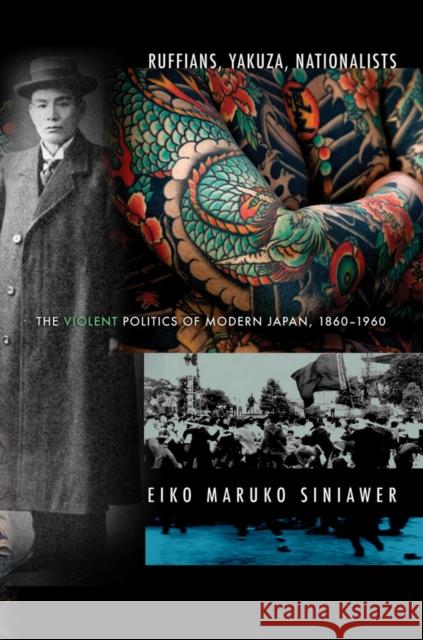
Violence and democracy may seem fundamentally incompatible, but the two have often been intimately and inextricably linked. In Ruffians, Yakuza, Nationalists, Eiko Maruko Siniawer argues that violence has been embedded in the practice of modern Japanese politics from the very inception of the country's experiment with democracy.
As soon as the parliament opened its doors in 1890, brawls, fistfights, vandalism, threats, and intimidation quickly became a fixture in Japanese politics, from campaigns and elections to legislative debates. Most of this physical force was wielded...
Violence and democracy may seem fundamentally incompatible, but the two have often been intimately and inextricably linked. In Ruffians, Yakuza...
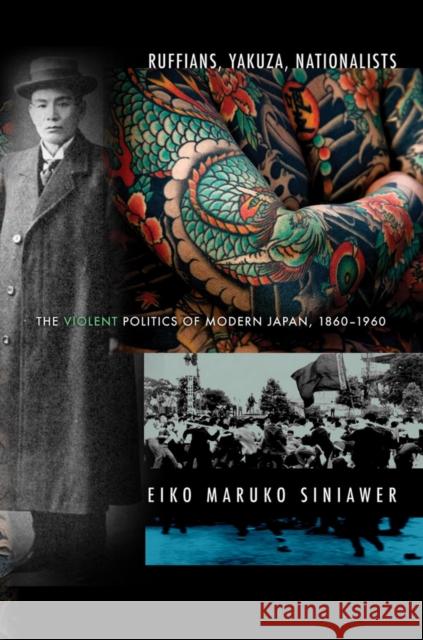
Violence and democracy may seem fundamentally incompatible, but the two have often been intimately and inextricably linked. In Ruffians, Yakuza, Nationalists, Eiko Maruko Siniawer argues that violence has been embedded in the practice of modern Japanese politics from the very inception of the country's experiment with democracy.
As soon as the parliament opened its doors in 1890, brawls, fistfights, vandalism, threats, and intimidation quickly became a fixture in Japanese politics, from campaigns and elections to legislative debates. Most of this physical force was wielded...
Violence and democracy may seem fundamentally incompatible, but the two have often been intimately and inextricably linked. In Ruffians, Yakuza...
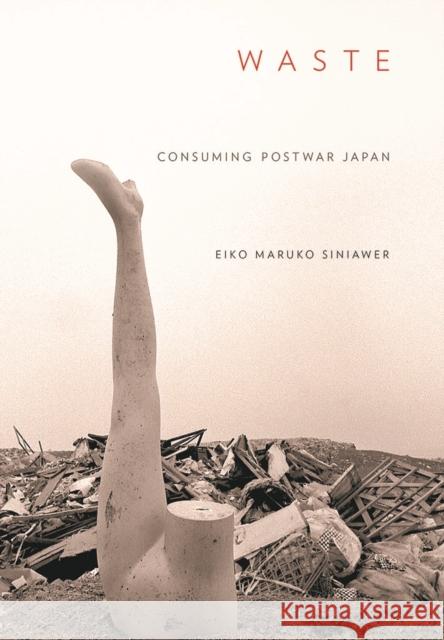
In Waste, Eiko Maruko Siniawer innovatively explores the many ways in which the Japanese have thought about waste-in terms of time, stuff, money, possessions, and resources-from the immediate aftermath of World War II to the present. She shows how questions about waste were deeply embedded in the decisions of everyday life, reflecting the...
In Waste, Eiko Maruko Siniawer innovatively explores the many ways in which the Japanese have thought about waste-in terms of time, stuff, money, poss...