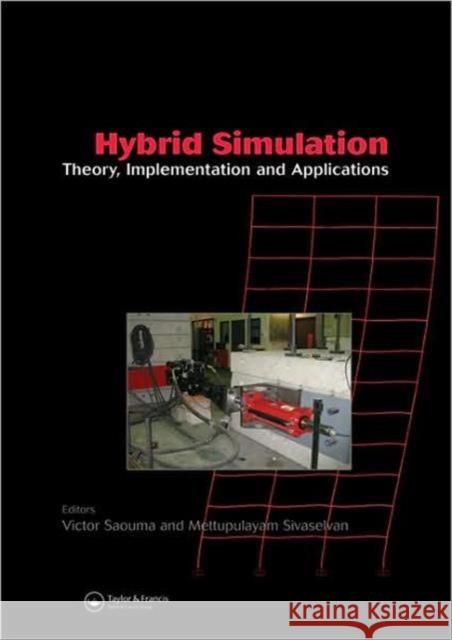
Hybrid Simulation deals with a rapidly evolving technology combining computer simulation (typically finite element) and physical laboratory testing of two complementary substructures. It is a cost effective alternative to shaking table test, and allows for the improved understanding of complex coupled systems. Traditionally, numerical simulation and physical tests have been uncoupled and performed separately. In this simulation paradigm the coupled nature of the simulation allows for improved understanding, and more efficient design since the factor of safety does not have to be...
Hybrid Simulation deals with a rapidly evolving technology combining computer simulation (typically finite element) and physical laboratory t...
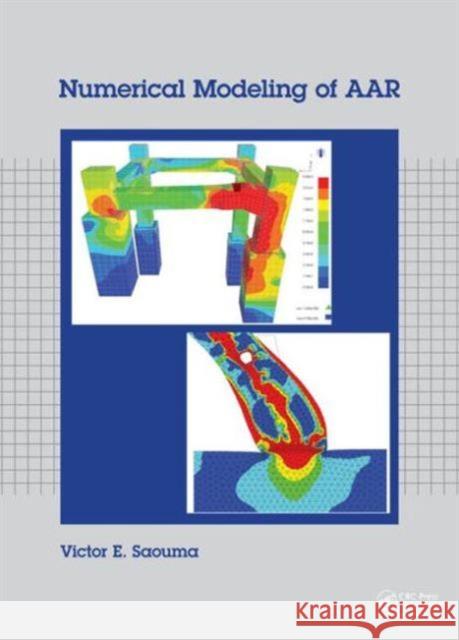
This reference book presents the theory and methodology to conduct a finite element assessment of concrete structures subjected to chemically induced volumetric expansion in general and alkali aggregate reaction in particular. It is limited to models developed by the author, and focuses on how to best address a simple question: if a structure suffers from AAR, how is its structural integrity jeopardized, and when would the reaction end.
Subjects treated are: - Brief overview of AAR: nature of the chemical reactions, AAR in both dams and nuclear power plants, and how does it...
This reference book presents the theory and methodology to conduct a finite element assessment of concrete structures subjected to chemically induc...