In 1918 the People's Commissariat of Public Health began a quest to protect the health of all Soviet citizens, but health became more than a political platform or a tactical decision. The Soviets defined and categorized the world by interpreting political orthodoxy and citizenship in terms of hygiene. The assumed political, social, and cultural benefits of a regulated, healthy lifestyle informed the construction of Soviet institutions and identity. Cleanliness developed into a political statement that extended from domestic maintenance to leisure choices and revealed gender, ethnic, and class...
In 1918 the People's Commissariat of Public Health began a quest to protect the health of all Soviet citizens, but health became more than a political...
In 1918 the People's Commissariat of Public Health began a quest to protect the health of all Soviet citizens, but health became more than a political platform or a tactical decision. The Soviets defined and categorized the world by interpreting political orthodoxy and citizenship in terms of hygiene. The assumed political, social, and cultural benefits of a regulated, healthy lifestyle informed the construction of Soviet institutions and identity. Cleanliness developed into a political statement that extended from domestic maintenance to leisure choices and revealed gender, ethnic, and class...
In 1918 the People's Commissariat of Public Health began a quest to protect the health of all Soviet citizens, but health became more than a political...
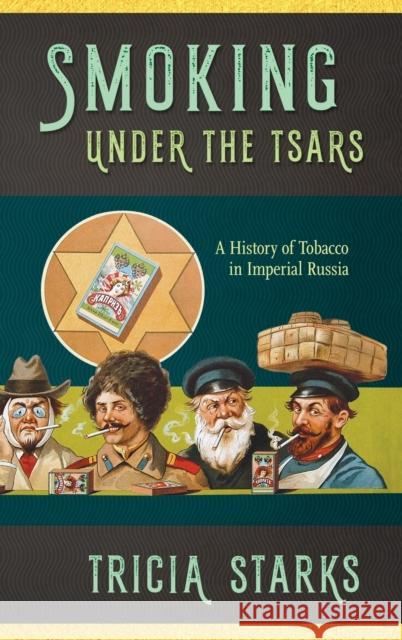
Approaching tobacco from the perspective of users, producers, and objectors, Smoking under the Tsars provides an unparalleled view of Russia's early adoption of smoking. Tricia Starks introduces us to the addictive, nicotine-soaked Russian version of the cigarette-the papirosa-and the sensory, medical, social, cultural, and gendered...
Approaching tobacco from the perspective of users, producers, and objectors, Smoking under the Tsars provides an unparalleled view of Russia's early a...