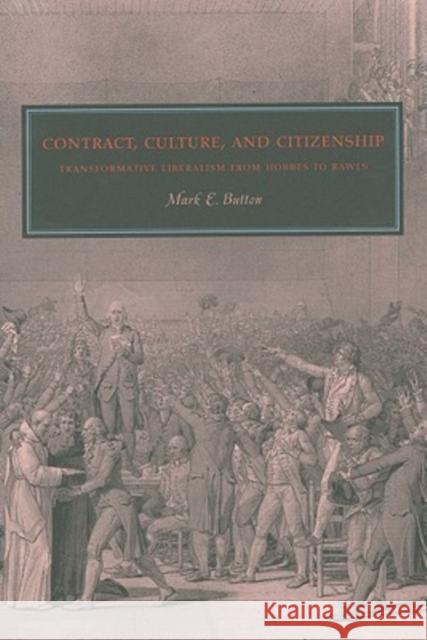
The idea of the social contract has typically been seen in political theory as legitimating the exercise of governmental power and creating the moral basis for political order. Mark Button wants to draw our attention to an equally crucial, but seldom emphasized, role for the social contract: its educative function in cultivating the habits and virtues that citizens need to fulfill the promises that the social contract represents.
In this book, he retells the story of social contract theory as developed by some of its major proponents--Hobbes, Locke, Rousseau, and Rawls--highlighting...
The idea of the social contract has typically been seen in political theory as legitimating the exercise of governmental power and creating the mor...
Historically speaking, our vices, like our virtues, have come in two basic forms: intellectual and moral. One of the main purposes of this book is to analyze a set of specifically political vices that have not been given sufficient attention within political theory but that nonetheless pose enduring challenges to the sustainability of free and equitable political relationships of various kinds. Political vices like hubris, willful blindness, and recalcitrance are persistent dispositions of character and conduct that imperil both the functioning of democratic institutions and the...
Historically speaking, our vices, like our virtues, have come in two basic forms: intellectual and moral. One of the main purposes of this book is to ...