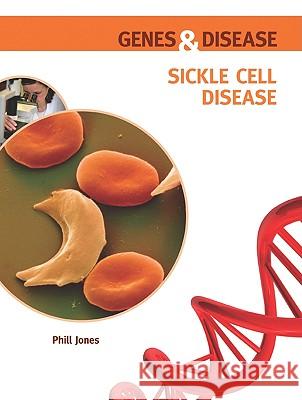
In 1910, Dr. James B. Herrick published Western medical literature's first description of a person with sickle cell disease. Soon, other physicians reported patients with similar symptoms and confirmed the characteristic feature of the disease: elongated red blood cells. In 1922, the peculiar shape of the cells inspired the official name for the disorder. Within 30 years, scientists had learned about the cause of sickle cell disease - an abnormal form of hemoglobin. "Sickle Cell Disease" explores the scientific discoveries that led to an understanding of the genetic basis of the disease,...
In 1910, Dr. James B. Herrick published Western medical literature's first description of a person with sickle cell disease. Soon, other physicians re...
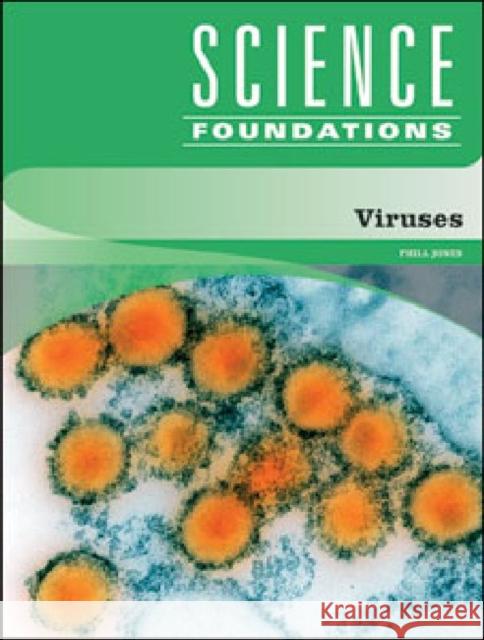
Readers learn about viruses, including their life cycle, the ways they affect their hosts, and the challenge their ability to mutate presents to the medical community.
Readers learn about viruses, including their life cycle, the ways they affect their hosts, and the challenge their ability to mutate presents to the m...
Scientific progress often sparks disputes about the meaning of a discovery, the research methods, and the possible uses of new technology. From the debate about teaching evolution in public schools to the modern controversies of ownership that arise in the context of gene patenting and medical tissues, there have been many ethical and religious arguments for and against further scientific advancements. Stem Cell Research and Other Cell-Related Controversies explores many of these complex issues in cell research and technology, including strategies for pursuing human stem cell-based therapies...
Scientific progress often sparks disputes about the meaning of a discovery, the research methods, and the possible uses of new technology. From the de...
Cells are considered one of the most basic units of life, yet their structure, processes, and reproduction are intricate and complex. From plasma membranes to cell organelles to the macromolecules that are the brick and mortar of a cell, structure is an important aspect to maintain the life processes of a cell. Some of these processes, including transfer of information from DNA to RNA to protein and the control of gene expressions, are necessary functions that aid in cell reproduction. In Cell Structure, Processes, and Reproduction, readers will explore how the major characteristics of a cell...
Cells are considered one of the most basic units of life, yet their structure, processes, and reproduction are intricate and complex. From plasma memb...
Animals and plants use ingenious ways to reproduce and ensure the survival of their species. One of these methods is asexual reproduction, a process by which some plants and animals create clones. Scientists have adapted this process and invented techniques to generate clones for a variety of purposes. In Reproduction and Cloning, learn how researchers have studied a variety of reproductive processes to develop technology to treat infertility and produce new plants and animals, sometimes through controversial means.
Animals and plants use ingenious ways to reproduce and ensure the survival of their species. One of these methods is asexual reproduction, a process b...
Do you want forensics to play a starring role in your fiction, but you find that you're not quite sure what it's all about? Forensic Science for Writers reveals the secrets behind forensic science technology. You'll explore how investigators analyze blood, DNA, fingerprints, hair, documents, ammunition, corpses, and other physical evidence. From the code-breaking tricks of the cyber-sleuth to the traditional procedures of the autopsy room, you'll investigate the strengths and weaknesses of forensic science. Forensic Science for Writers is not just about science. You'll learn how to use...
Do you want forensics to play a starring role in your fiction, but you find that you're not quite sure what it's all about? Forensic Science for Write...
Collected here for the first time, you'll find the published cases of Thadeus Rede, a detective of near future Seattle: the novella "Thin Ice," and the short stories "The Wolf Encrypted" and "The Wolf Revealed." The collection also offers an assortment of tales starring various parasites (natural, mutant, and human) and a cranky vampire. Reviews about Thadeus Rede stories: "Thin Ice": "Drawn from a rich and detailed future Seattle, "Thin Ice" is a detective novel at heart, and a very accomplished one at that. The plot flows fast with unexpected twists and enough red herrings to keep the...
Collected here for the first time, you'll find the published cases of Thadeus Rede, a detective of near future Seattle: the novella "Thin Ice," and th...